

Key takeaways
- The best nano reef tank kits compared by volume, glass, lighting and filtration, with guidance on what each kit includes and what to add.
The LANDEN EzCube 45K 20 gallon all-in-one is the best overall nano reef kit in this group for most beginners, because it bundles a 20 gallon low-iron glass cube with a protein skimmer and return pump, giving you more water volume and more equipment than the smaller cubes. The Coralife LED BioCube 16 gallon is the simplest starting point if you want an LED hood and built-in filtration in a familiar format. A nano reef is generally a saltwater tank under about 30 gallons, and its small water volume means parameters shift quickly, so a complete kit helps you start with matched parts.
Quick List
- LANDEN EzCube 45K (20 gallon) – best overall for a complete cube with skimmer and pump included
- Coralife LED BioCube (16 gallon) – best for beginners who want an LED hood and built-in filtration
- Innovative Marine Lagoon (25 gallon) – best for those who want the largest volume in the group
- Empire USA 24 Gallon All-in-One – best for a rimless low-iron glass tank with room for more livestock
- Coralife LED BioCube (14 gallon) – best for small spaces that still want an LED canopy
- LANDEN EzCube 30 (6 gallon) – best for desktop displays and soft-coral-only setups
Which One Is Right for You?
| If you… | Choose |
|---|---|
| Want a skimmer and pump in the box with a roomy 20 gallon footprint | LANDEN EzCube 45K (20 gallon) |
| Are new to reefs and like an all-in-one hood with a timer | Coralife LED BioCube (16 gallon) |
| Have space for a larger nano and want more stability | Innovative Marine Lagoon (25 gallon) |
| Prefer a rimless low-iron tank and plan to choose your own light | Empire USA 24 Gallon All-in-One |
| Have less room than the 16 gallon needs | Coralife LED BioCube (14 gallon) |
| Want a tiny desktop reef with a few soft corals | LANDEN EzCube 30 (6 gallon) |
Bigger is easier in a nano reef, because more water absorbs mistakes. If your space allows 20 gallons or more, lean that way, and treat the 6 gallon cube as a project for patient hobbyists. Also check what is not included, such as a heater, salt mix, rock and test kits, because the cost of those items affects your total plan even though this guide does not list prices.
All 6 Picks in Detail
1. LANDEN EzCube 45K 20 Gallon – Best Overall Complete Cube
As an Amazon Associate we earn from qualifying purchases at no extra cost to you.

This all-in-one reef kit is listed as a 20 gallon cube measuring 17.7 by 17.7 by 15.7 inches (45 by 45 by 40 cm), built from 6 mm low-iron glass, and it comes with a skimmer and pump. The listing also names an ACS150 protein skimmer, which pulls organic waste out of the water before it breaks down. Low-iron glass is clearer than standard glass, which makes corals look more natural. The cube shape gives you a good depth for placing both low-light and high-light corals.
It suits a keeper ready to buy lights, heater and livestock separately, since the listing does not state whether a light is included. Confirm that on the product page.
- Volume: 20 gallons
- Dimensions: 17.7 x 17.7 x 15.7 inches
- Glass: 6 mm low-iron
- Equipment: skimmer (ACS150) and pump included
- Light and heater: confirm on listing
A cube of this size also leaves room to grow into a mixed reef: a few LPS corals, a colony of zoanthids, a cleanup crew and a pair of small fish are realistic once the tank has matured. Before you buy livestock, run the pump and skimmer for several days with plain saltwater to check for leaks, noise and the right skimmer water level. Keep a small container of spare saltwater mixed ahead of time for emergencies.
Pros
- Skimmer and pump are included
- Low-iron glass and a roomy footprint
Cons
- Light and heater may need to be added
- Rear chamber space can be tight for extra gear
It offers more included equipment than the Coralife BioCube 16, though the BioCube bundles a light.
2. Coralife LED BioCube 16 Gallon – Best for Beginners
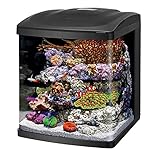
The BioCube 16 is a starter kit for a glass cube with an LED hood, built-in filtration at the back and a quiet pump. Manufacturer information describes a built-in timer with several LED channels (white, blue and color-enhancing), plus gradual sunrise and sunset transitions. The built-in filtration chamber holds filter media and the pump, which keeps equipment out of the display. Retailer sources give differing dimensions, so confirm the exact footprint and height on the listing before choosing a stand or shelf.
It is the most beginner-friendly kit here, since lighting and filtration arrive in one hood and tank package.
- Volume: 16 gallons
- Lighting: LED hood with timer and multiple channels
- Filtration: built-in rear chamber with pump and media tray
- Glass type: confirm on listing
- Heater, skimmer and substrate: not included
Because the hood houses the lights, the usual first upgrade is a heater and a small wavemaker or extra circulation if the built-in pump leaves dead zones. Keep the filter media fresh and rinse the sponge in used tank water, never tap water, so you do not kill beneficial bacteria. Soft corals, mushrooms, zoanthids and a few LPS are the usual match for this level of lighting.
Pros
- Light and filtration in one package
- Timer with sunrise and sunset transitions
Cons
- Hood limits access and light upgrades
- Not intended for demanding SPS
Next to the LANDEN 20 gallon, it is simpler but has less volume and fewer upgrade paths.
3. Innovative Marine Lagoon 25 Gallon – Best for the Largest Volume

The Lagoon starter kit comes in a 25 gallon size and is the largest tank in this set. The listing name is brief, so most details must be confirmed on the product page. A review roundup reports low-iron glass, an integrated overflow with an emergency drain and a quiet DC return pump, but treat those as unverified until you see the manufacturer specification. The added volume buys stability, and a 25 gallon tank allows a wider range of fish and corals than a cube under 20 gallons.
- Volume: 25 gallons
- Style: all-in-one starter kit
- Overflow and pump: reported in third-party sources; confirm on listing
- Light: confirm on listing
- Dimensions and glass thickness: confirm on listing
Since the listing gives so little, build a checklist before ordering: confirm the glass thickness, the rear chamber layout, whether a light is included, the pump type and any filter socks or leveling mat. A larger tank also needs a stronger stand and more live rock, so plan floor space and weight. If any of those items are missing from the kit, add them to your purchase plan so you are not surprised on setup day.
Pros
- Largest volume of the six picks
- All-in-one starter-kit format
Cons
- Few details in the listing name
- Larger footprint needs a sturdy stand
Compared with the Empire 24 gallon, it is the slightly larger tank with a more detailed starter-kit approach.
4. LANDEN EzCube 30 (6 Gallon) – Best for Desktop Soft-Coral Setups

The smallest tank here is a 6 gallon all-in-one cube measuring 11.8 inches on each side, made of 5 mm low-iron glass with a pump rated at 700 liters per hour. Six gallons is a demanding size: salinity and temperature can shift in hours, and stocking must be very light. It suits an experienced hobbyist who wants a tiny display for soft corals, mushrooms or a single small fish, and not a first-time reefer. We rank it last for general beginners because small volumes leave little margin for error.
- Volume: 6 gallons
- Dimensions: 11.8 x 11.8 x 11.8 inches
- Glass: 5 mm low-iron
- Pump: 700 L/H return pump included
- Light, heater and skimmer: confirm on listing
If you try this size, treat testing as a daily habit at first and keep a spare heater and a backup power source for the pump. Use a lid or screen over the open top to limit evaporation, since losing even a cup of water changes salinity noticeably. Top off with fresh reverse osmosis water only, and consider an auto top off device to stabilize the level.
Pros
- Fits on a desk or shelf
- Low-iron glass with a pump included
Cons
- Parameters swing fast in six gallons
- Very limited livestock
Next to the EzCube 45K, it is the same family in a much less forgiving size.
5. Empire USA 24 Gallon All-in-One – Best Rimless Option

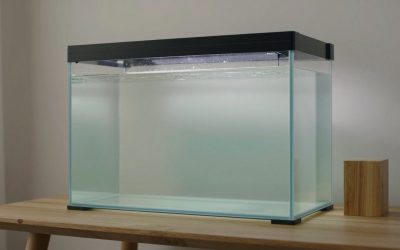
The Empire USA tank is listed as a 24 gallon rimless all-in-one aquarium kit with low-iron glass for saltwater and freshwater, described as a complete nano reef setup. Rimless glass gives an uncluttered look from above and every side, which showcases an aquascape, but it needs a flat, level stand because there is no frame to absorb uneven loads. The rest of the listing text is cut off, so check what is included, such as a light, filter media or pump.
- Volume: 24 gallons
- Glass: rimless low-iron
- Water type: saltwater and freshwater
- Equipment: confirm what the kit includes
- Dimensions: confirm on listing
Because it is described for both saltwater and freshwater, this tank is also a good choice if you might change your mind and run a planted freshwater aquascape instead. For reef use, make sure you add a quality light, a heater and a way to keep flow going across the rockwork. A lid or mesh top is advisable to keep jumpers in, since rimless tanks have no frame to hold a cover.
Pros
- Clean rimless look
- Roomy 24 gallon volume
Cons
- Included equipment is unclear from the title
- Needs a perfectly level stand
It is close in size to the Lagoon, though it is pitched as a flexible tank for both saltwater and freshwater use.
6. Coralife LED BioCube 14 Gallon – Best for Small Spaces
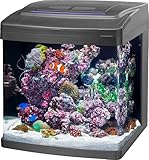
The 14 gallon BioCube is a smaller version of the same Coralife concept: a cube aquarium with an LED hood and built-in filtration for a reef start. It suits a desk, console or small apartment where 16 gallons will not fit. Fourteen gallons is still workable for hardy fish and soft corals, but it is more sensitive to temperature and salinity swings than a 20 gallon. The listing text is cut off, so confirm the lighting channels, dimensions and included filtration parts.
- Volume: 14 gallons
- Lighting: LED hood; confirm channels and timer
- Filtration: built-in chamber; confirm media included
- Dimensions: confirm on listing
- Heater and skimmer: not stated
On a desk or console, check the clearance above the hood so you can still open it for feeding and maintenance. Keep a towel and a small bucket nearby, because smaller tanks make water changes quick but can splash. Use a stable shelf rated for the filled weight, and keep power cords looped below the outlet to prevent drips from reaching the plug.
Pros
- Compact size for small spaces
- Complete hood and filtration concept
Cons
- Less stable than larger volumes
- Limited stocking options
Compared with the 16 gallon BioCube, it saves space at the cost of margin for error.
Specs Compared
| Kit | Volume | Dimensions | Glass | Lighting | Filtration and pump |
|---|---|---|---|---|---|
| LANDEN EzCube 45K | 20 gallons | 17.7 x 17.7 x 15.7 in | 6 mm low-iron | Confirm on listing | ACS150 skimmer and pump included |
| Coralife BioCube 16 | 16 gallons | Confirm on listing | Confirm on listing | LED hood with timer | Built-in chamber, pump, media tray |
| Innovative Marine Lagoon | 25 gallons | Confirm on listing | Confirm on listing | Confirm on listing | Confirm on listing |
| Empire USA 24 Gallon | 24 gallons | Confirm on listing | Rimless low-iron | Confirm on listing | Confirm on listing |
| Coralife BioCube 14 | 14 gallons | Confirm on listing | Confirm on listing | LED hood | Built-in filtration, confirm parts |
| LANDEN EzCube 30 | 6 gallons | 11.8 x 11.8 x 11.8 in | 5 mm low-iron | Confirm on listing | 700 L/H pump included |
How We Chose These
This guide is research-based. We started with the six nano reef kits in this set and compared stated volume, dimensions, glass type, lighting and filtration details as written in each listing. We then read manufacturer information where it was available for the Coralife BioCube line and used third-party roundups only to flag items that need confirmation, such as the Lagoon’s overflow design. We favored kits that state what is included and gave more weight to larger volumes because they are more stable for new keepers. Where a listing was silent, we say to confirm it on the product page. The order reflects fit and stated features, not measured results.
What to Look For
Volume and stability
Water volume is the main factor in how forgiving a tank is. A 20 gallon cube warms or cools much more slowly than a 6 gallon cube, and a mistake in salt mixing is diluted by more water. As a rule of thumb, beginners do better at 20 gallons or more, while tanks under 10 gallons suit experienced keepers who test every few days.
Included equipment versus add-ons
Check whether the kit includes a light, return pump, skimmer, heater and filter media. A typical nano reef also needs a reliable heater, a thermometer, a refractometer for salinity, a wavemaker if flow is weak, live rock and sand, and reverse osmosis water. Make a short list from the listing and add up the missing items before you commit to a size.
Lighting and filtration style
Hood-style lights, like the BioCube, are neat and easy but limit upgrades and can trap heat. Open-top tanks give flexibility and a cleaner look but need a separate light and a lid or screen to stop jumpers. Rear-chamber filtration hides gear and suits a skimmer, but check that the chamber is large enough for the skimmer you want.
Glass, stand and placement
Low-iron glass improves clarity, and thicker panels such as 6 mm add strength to larger cubes. A filled 20 gallon tank weighs roughly 200 pounds including water, rock and sand, so use a purpose-made stand on a level floor. Rimless tanks need a perfectly flat surface and a foam leveling mat. Keep the tank away from direct sun, which can cause algae and heat spikes.
Flow, temperature and power backup
Nano tanks need steady flow across the rockwork so detritus does not settle, and a small wavemaker or a well-aimed return nozzle usually does the job. Keep temperature near 76 to 78 degrees Fahrenheit with a reliable heater and a thermometer you trust, because a small volume can overheat under a closed hood in summer. A battery-powered air pump or a spare pump on a different outlet gives you a safety net during a power cut.
Cycling and a worked example
New tanks need a cycle of about 4 to 6 weeks so bacteria can process ammonia and nitrite. For example, a 20 gallon tank with a weekly 10 percent water change needs about 2 gallons of fresh, matched saltwater per week, while a 6 gallon tank needs under a gallon but changes faster in each batch. Add livestock slowly, one or two small animals at a time, and test ammonia, nitrite, nitrate, salinity and alkalinity before each addition.
Questions
What size is a nano reef tank?
A nano reef is usually under about 30 gallons, though some hobbyists use a limit of 20 gallons. The smaller the volume, the less room there is for error in salinity and temperature.
Do these kits include fish and corals?
No, kits provide the tank and equipment only. Livestock, live rock, sand, salt and test kits are bought separately, and the listing should say which pieces of equipment are included.
How long before I can add corals?
Wait until the cycle finishes, usually 4 to 6 weeks, and until ammonia and nitrite read zero. Start with hardy soft corals and add demanding species after several stable months.
Do I need a protein skimmer on a nano reef?
It helps keep nutrients down and is useful on heavily fed tanks, but small tanks can also run on regular water changes and good filter media. A kit that includes one saves a purchase.
Can I keep fish in a 6 gallon reef?
Only a single very small fish, if any, and it needs careful feeding. Many keepers use a 6 gallon tank for soft corals and invertebrates instead.
How often should I do water changes?
Plan on a 10 to 15 percent change weekly or every other week, using mixed saltwater matched to the tank’s temperature and salinity. Smaller tanks benefit from more frequent, smaller changes.
Update History
- October 20, 2026 – Initial publication; product set drawn from current catalog listings.
- Check the product page for current specifications and availability before buying.
Sources
- Manufacturer product and specification pages for Coralife BioCube aquariums
- Retailer listing titles and specification fields for each kit
- Third-party aquarium roundups, used only to flag details to confirm
Write Your Review
No reviews yet. Be the first to share your experience!