

The best betta tank is a heated, filtered aquarium of at least 5 gallons, and 10 gallons is better for stable water. A rimless or glass kit with a gentle sponge or adjustable filter, a 25 to 50 watt heater and a lid gives a betta room to explore and keeps temperature near 78 degrees Fahrenheit. Skip bowls and tiny vases; they cannot hold heat or support a filter.
Our top picks


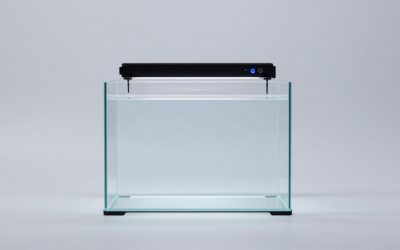
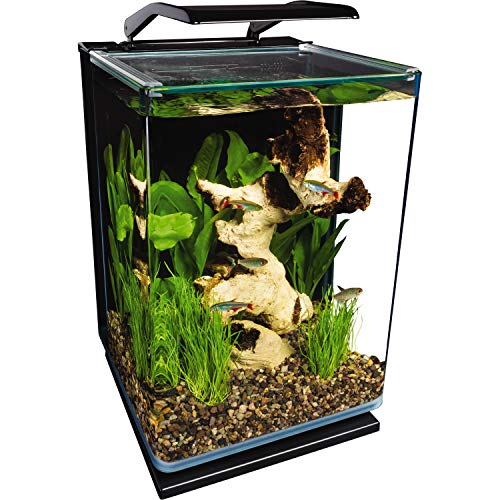 Marineland Portrait 5 Gallon Fish Tank Kit
- Rounded corners and clear glass canopy allow viewing…
- Bright white LEDs create a shimmering sunlight effect
- Advanced, 3-stage filtration is out of sight, enhancing…
As an Amazon Associate we earn from qualifying purchases at no extra cost to you.
Quick comparison of betta tank options
| Pick | Best for | Capacity | Key features | Price range |
|---|---|---|---|---|
| Best overall: 10 gal glass kit with adjustable filter | Most owners | 10 gal | Lid, LED, adjustable flow filter | Budget to mid-range |
| Best compact: 5 gal all-in-one (Fluval Spec or similar) | Desks, small spaces | 5 gal | Hidden filter, LED, rounded glass | Mid-range |
| Best budget: 5 gal basic kit | First tank | 5 gal | Simple hood, small filter | Budget |
| Best planted: 10 gal tank with plant light | Live plants | 10 gal | Programmable LED, sponge filter | Mid-range |
| Best premium: 15 to 20 gal low-iron tank | Aquascape and community | 15 to 20 gal | Clear glass, rear filter, lid | Premium |
Best overall: 10 gallon glass kit
A 10 gallon glass kit gives a betta swimming space and keeps temperature and water quality more stable than smaller volumes. Look for an adjustable-flow filter because bettas have long fins and struggle in strong current. The trade-off is that glass kits often ship with basic lighting and a noisy filter that you may replace.
Best compact: 5 gallon all-in-one
All-in-one models such as the Fluval Spec line bundle a filter and LED behind rounded glass. They are neat on a desk and quiet. The 5 gallon limit means you can house one betta, plus a few shrimp or snails, but little else.
Best budget: 5 gallon basic kit
Basic kits keep cost low and are fine for one betta. Add a small adjustable heater and swap the stock filter for a sponge filter if the flow is strong. They are not ideal for heavy planting because of weak lights.
Best planted: 10 gallon with plant light
A 10 gallon tank with a controllable LED lets you grow anubias, java fern and moss, which also give your betta resting spots. Plants help absorb nitrate, though they do not replace water changes.
Best premium: 15 to 20 gallon low-iron tank
Larger low-iron glass tanks offer clearer views and the volume for tank mates such as small snails. The cost and footprint are higher, but water parameters stay more stable.
How to choose a betta tank
- Volume: 5 gallons minimum; 10 gallons recommended.
- Heater: keep water around 76 to 82 degrees Fahrenheit.
- Filter: choose gentle flow, such as a sponge filter or adjustable hang-on model.
- Lid: bettas jump, and a lid also keeps warm humid air above the water, which supports their labyrinth organ.
- Decor: use soft plants or silk, not sharp plastic that tears fins.
Worked example: heater sizing
A 5 gallon tank at 5 watts per gallon needs about 25 watts, while a 10 gallon needs about 50 watts. In a cold room, step up one size. Always use a heater with a thermostat and verify with a separate thermometer.
Ownership realities
- Do weekly 25 to 30 percent water changes and use a dechlorinator.
- Cycle the tank before adding the fish to establish beneficial bacteria.
- Strong flow, cold water and sharp decor are the most common causes of stress.
- Feed small portions; overfeeding fouls small tanks quickly.
For health problems, consult an aquatic veterinarian or an experienced fish store; this article offers general information only.
Setting up a betta tank step by step
- Place the tank on a level, sturdy stand: a 10 gallon tank weighs over 100 pounds when filled.
- Rinse substrate and decor: removes dust and residue that can cloud water.
- Install the heater and filter: set the heater to about 78 degrees Fahrenheit and confirm with a thermometer.
- Add dechlorinated water and live or silk plants: leave a few leaves floating near the surface so the betta can rest.
- Cycle for about four weeks before adding the fish: this builds the bacteria that process waste.
Why small bowls fail
A bowl cannot hold a heater or filter securely, so temperature drops overnight and ammonia climbs between water changes. Even a 2.5 gallon tank leaves little margin for error. Moving to 5 or 10 gallons costs only slightly more but removes most of the daily maintenance risk and lets you add plants and hiding spots that reduce stress.
Tank mates and decor tips
Bettas vary in temperament. In 10 gallons or more, nerite snails and small shrimp are common companions, and heavy planting breaks sight lines so the betta feels secure. Avoid fin-nipping fish such as some barbs and brightly colored fancy guppies, which can be mistaken for rivals. Test decorations by running a stocking or pantyhose over them; anything that snags can tear delicate fins.
Frequently Asked Questions
What size tank does a betta need?
At least 5 gallons, and 10 gallons is better. Larger tanks hold heat and water quality more steadily.
Do betta fish need a filter?
A filter helps keep ammonia down, but flow must be gentle. Sponge filters are a popular option.
Do bettas need a heater?
Yes. They are tropical fish and do best near 78 degrees Fahrenheit, so a heater prevents sluggishness and stress.
Can a betta live with other fish?
Sometimes, but it depends on the individual. Snails and shrimp are common companions in 10 gallons or more, though aggression varies.
How often should I clean a betta tank?
Weekly partial water changes with a gravel vacuum are typical, and filter media should be rinsed in tank water monthly.
Write Your Review
No reviews yet. Be the first to share your experience!