

The best nano aquarium for most beginners is a complete all-in-one such as the Fluval Evo or Fluval Flex in the 5 to 15 gallon range, because the light, filter and cabinet-free design are already matched. If you want a reef or a more upgradeable setup, the Innovative Marine Nuvo Fusion line and the Red Sea Max Nano offer better build and filtration chambers. Pick the tank by the animals you want first, since a 10 gallon suits a betta or shrimp colony but not a mixed community.
Our top picks


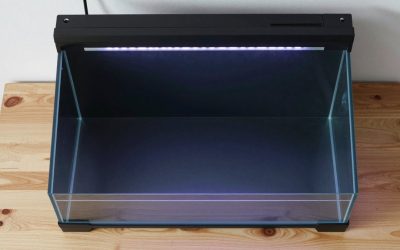
 NICREW 2.5 Gallon Nano Nature Aquarium Kit
- Compact and stylish, designed for small spaces like…
- Effortless setup and maintenance with our step-by-step guide…
- High-clarity glass with 91.2% transmittance makes your aquascape…

As an Amazon Associate we earn from qualifying purchases at no extra cost to you.
Quick comparison of nano aquarium picks
| Pick | Best for | Capacity | Key features | Price range |
|---|---|---|---|---|
| Fluval Evo (12 gal class) | Beginner reef or planted tank | About 13.5 gal | Built-in LED, 3-stage filter | Mid-range |
| Fluval Flex (9 or 15 gal) | Freshwater community | 9 or 15 gal | Curved glass, hidden filter, LED | Mid-range |
| Innovative Marine Nuvo Fusion 10 or 20 | Upgradeable reef | 10 to 20 gal class | Rear chamber, low-iron glass, media basket | Upper-mid |
| Red Sea Max Nano | Serious nano reef | About 20 gal | Rear sump, integrated plumbing | Premium |
| Basic 5 to 10 gal glass kit | Betta, shrimp, first tank | 5 to 10 gal | Hang-on or sponge filter, simple hood | Budget |
Best overall: Fluval Evo
The Evo combines a clear tank, an integrated LED and a three-stage filtration compartment in one footprint. The manufacturer designs the 12 gallon class model for both freshwater and easy reef animals. It is forgiving, quiet and ready after a few accessories. The trade-off is that the stock light is modest for demanding corals and the small volume swings in temperature and salinity faster than a larger tank.
Best for freshwater communities: Fluval Flex
The Flex uses curved front glass and a hidden filter chamber, which keeps equipment out of sight. The 9 and 15 gallon sizes handle a small school of nano fish and live plants. The built-in light is programmable on some versions, which helps plant growth. A limitation is the small filter media volume, so heavier stocking needs more frequent water changes.
Best upgradeable: Innovative Marine Nuvo Fusion
Innovative Marine’s Fusion tanks use low-iron glass and a large rear filtration area with room for media baskets and a heater. They tend to be rated highly for build quality by reef communities. They are priced above basic kits and often do not include a light, so budget for one.
Best premium: Red Sea Max Nano
The Max Nano is a reef-ready all-in-one with a rear sump. It suits hobbyists who plan SPS or LPS corals and want proper flow and skimming options. The cost and need for separate lighting make it overkill for casual use.
Best budget: basic glass kit
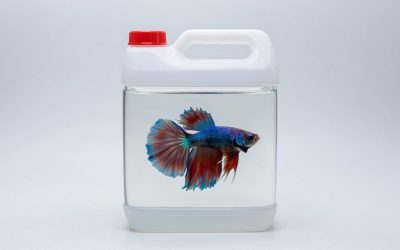
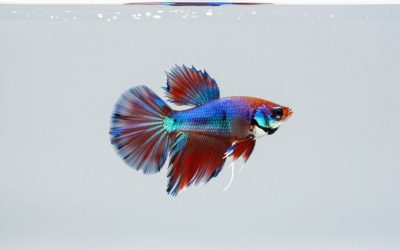
A simple 5 to 10 gallon glass tank with a sponge or hang-on filter is the cheapest way in. It is ideal for a betta or a shrimp colony. Go no smaller than 5 gallons, since tiny volumes are unstable.
How to choose a nano aquarium
- Size: 10 gallons is a practical minimum for variety. Below 5 gallons is for shrimp or a single betta only.
- Filtration: look for a rear chamber or an adjustable flow filter; strong flow stresses bettas.
- Lighting: planted tanks need a controllable LED; reef tanks need higher output.
- Lid: jumpers escape, so choose a tank that accepts a lid.
- Heater: a 25 to 50 watt adjustable heater matches most nano volumes.
Worked example: heater and water change math
For a 10 gallon tank, a common guideline is 5 watts per gallon, so a 50 watt heater is adequate. A weekly 20 percent water change is 2 gallons. At that size, a single dead snail or overfeeding can spike ammonia quickly, so test water at least weekly during the first month.
Ownership realities
- Filter sponges need rinsing in tank water, never tap water, to preserve bacteria.
- LEDs outlast bulbs, but heaters and pumps wear in two to four years.
- Algae is more likely in small tanks with long light periods; use 6 to 8 hours.
- Evaporation changes salinity in reef nanos, so a small top-off reservoir is valuable.
Freshwater or reef: which nano suits you
A freshwater nano is the cheaper and safer first step. Shrimp, small tetras, rasboras and a single betta can all thrive in 10 gallons with live plants, and the equipment list is short: tank, filter, heater, light and substrate. A reef nano adds salt mix, a refractometer, a stronger light, a powerhead or return pump and usually a protein skimmer, so the starting cost is two to three times higher and the learning curve is steeper. Choose reef only if you are ready to test salinity, alkalinity and nutrients on a schedule.
Setup steps and why each matters
- Rinse substrate and rock: removes dust that clouds the water.
- Fill and add dechlorinator or salt mix: chlorine and chloramine kill beneficial bacteria.
- Run the filter and heater for a few days: lets you confirm temperature is stable.
- Cycle the tank: use bottled bacteria and an ammonia source for about four to six weeks, testing until ammonia and nitrite read zero.
- Add stock slowly: one or two animals at a time so bacteria can keep up.
Cost and footprint thinking
People pick a nano to save money, but small tanks often cost more per gallon because of premium glass and integrated gear. The real savings are in water, salt and food. A 10 gallon tank needs a 2 gallon weekly water change, which is a few minutes of work, while a 55 gallon needs more than 10. If you want flexibility, choose the largest nano you have room for; moving from 5 gallons to 15 gallons doubles stability at only a modest increase in footprint.
Frequently Asked Questions
What size counts as a nano aquarium?
Most hobbyists call tanks under about 20 to 30 gallons nano. Freshwater nanos are often 5 to 15 gallons, and reef nanos range up to 30 gallons.
Are nano tanks harder than big tanks?
Yes in one respect: small water volumes change fast, so mistakes show up sooner. Careful feeding and regular testing offset this.
Can I keep a reef in a nano tank?
Yes, with easy corals and strong lighting. Soft corals and mushrooms are the usual start, and a tank around 20 gallons is easier than 5 gallons.
What fish suit a 10 gallon tank?
Small schooling fish such as ember tetras or a single betta with shrimp are typical choices. Check adult size and group needs before buying.
Do I need a heater?
For most tropical fish, yes. Stable temperature is especially important in small tanks where it swings with room conditions.

Write Your Review
No reviews yet. Be the first to share your experience!