

Key takeaways
- To do a partial water change, siphon out roughly a quarter of the tank's water while vacuuming debris from the substrate.
To do a partial water change, siphon out roughly a quarter of the tank’s water while vacuuming debris from the substrate, then refill with dechlorinated water that matches the tank’s temperature. For most community tanks, repeating this every week or two keeps nitrate low and the water clear.
This walkthrough is meant for anyone who has a running tank and wants a routine that is quick, low-stress for the fish, and hard to get wrong in 2026 or any other year. It covers the gear, the sequence, how much to remove, and the small habits that separate a tidy ten-minute job from a messy one.
Why Partial Changes Matter
Even in a fully cycled tank, nitrate builds up as fish waste is processed, and dissolved organics, minerals and tannins accumulate. Filters remove particles, not dissolved waste. Fresh water dilutes what the filter cannot take out, replenishes trace minerals, and keeps pH from drifting.
Changing only part of the water is deliberate. Removing everything strips the bacteria on glass and decor of their environment and can shock fish with sudden shifts in temperature and chemistry. Small, regular changes keep conditions stable.
What You Need
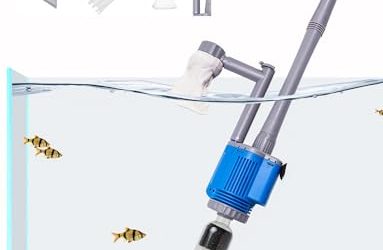
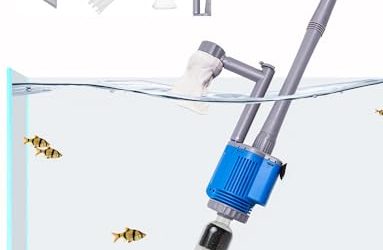
- A gravel vacuum or siphon with a hose long enough to reach a bucket or drain.
- A clean bucket used only for aquarium work, never for cleaning products.
- Water conditioner that neutralizes chlorine and chloramine.
- A thermometer to compare tank and new water temperatures.
- A towel for drips, and a scrubber pad kept only for the glass.
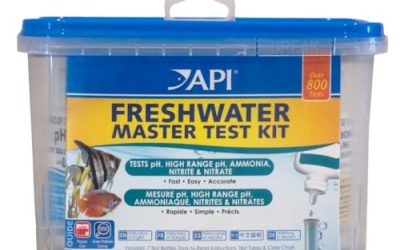
- A test kit if you track nitrate, to confirm the routine is working.
The Step-by-Step Process
Prepare Before You Touch the Tank
Unplug the heater and, if your filter is a hang-on-back model, note the water level it needs. Unplugging the heater matters because a heater exposed to air can crack or overheat. Prepare the replacement water in the bucket first: match the temperature by feel and thermometer, and add conditioner at the dose printed on the bottle for the volume you are replacing.
Vacuum and Drain
Start the siphon and push the vacuum tube into the substrate, lifting out debris. Work one section at a time, and do not dig deeply in a heavily planted area where roots are present. Skim the surface of sand rather than plunging into it. Stop when you have removed about 20 to 30 percent of the volume.
Wipe the Glass and Decor
Before you refill, scrub the front glass, and if algae has built up, wipe it off decor with a dedicated pad. Doing this before draining ends means the loosened material gets caught by the siphon, rather than recirculating.
Refill Gently
Pour new water slowly onto a plate or your hand to avoid blasting substrate around, or use a hose clip to control flow. Fill to the normal mark, restart the heater, and check that the filter is running smoothly. If it sounds loud, top off slightly more water.
How Much and How Often
| Tank situation | Typical change size | Typical rhythm | Notes |
|---|---|---|---|
| Lightly stocked, planted | Smaller, around 15 to 20 percent | Every one to two weeks | Plants absorb some nitrate |
| Average community tank | Around 25 percent | Weekly | A reliable baseline for most keepers |
| Heavily stocked or large messy fish | Up to 30 to 50 percent | Weekly or more often | Watch nitrate readings |
| New tank after cycling | Larger initial change, then routine | Per test results | Lowers nitrate before stocking |
| Sensitive species | Smaller, more frequent | Several times a week | Keep temperature and chemistry steady |
Common Problems and Fixes
Cloudy Water After a Change
A white haze often comes from fine particles or a bacterial bloom after substrate disturbance. It usually settles within a day. Avoid adding more cleaners or medications unless the cause is clear.
Fish Acting Stressed Afterward
Temperature mismatch or untreated water are the usual culprits. Match temperature closely and always add conditioner before the water reaches the tank. If you notice gasping or hiding that lasts more than a few hours, check chemistry and consider asking an experienced fishkeeper or aquatic vet.
Nitrate Stays High
Increase the change size slightly, reduce feeding, or thin out fast-growing waste producers. Also check your tap water, since some supplies already carry notable nitrate.
Water Changes in Planted and Sand Tanks
With sand, hover the vacuum just above the surface and let the debris lift, since digging in pulls sand into the hose. In planted tanks, a gentle surface sweep protects roots, and detritus under plants can be fanned loose with the hose tip. Dose fertilizers after the change, not before, so you do not pour them down the drain.
Before You Start: A Quick Checklist
- Heater unplugged and filter ready to be restarted.
- Replacement water matched for temperature and treated with conditioner.
- Siphon checked for flow and bucket in place.
- Planned change size noted, not guessed.
- Test kit nearby if you want a nitrate reading before and after.
Setting Up an Easy Routine
Consistency matters more than perfection. Pick a day and time that suits your week, and keep the tools in one spot so the job takes minutes instead of an evening. Many keepers store the bucket, siphon and conditioner together in a cabinet near the tank, with a marker line on the bucket for the volume they replace each week.
If your tank is far from a sink, a long hose that connects to a faucet adapter can drain and refill without carrying buckets. Check that the adapter fits your faucet and that the hose is never left running unattended, since an unattended hose can flood a floor quickly.
Keep a simple log of the date, the percentage changed and any nitrate reading. After a month you will see whether your routine holds nitrate steady, and you can adjust the size or frequency without guessing. A change that is too small shows up as slowly rising nitrate, while a change that is too large usually shows up as stressed fish or cloudy water.
Special Situations
Newly Set Up Tanks
While a tank is still cycling, water changes follow the cycle’s needs, not a calendar. Once the cycle is complete, do a larger change to bring nitrate down before adding fish, then move to the weekly routine.
Vacations and Busy Weeks
If you miss a week, do not make up for it by changing most of the water at once. Return to the normal schedule, and if nitrate is high, split the correction across two or three changes a few days apart.
Tanks With Shrimp, Fry or Sensitive Species
Small changes and a slow refill help invertebrates and young fish, which are less tolerant of sudden shifts in temperature or minerals. Use a drip method where possible, adding new water gradually through airline tubing.
Signs Your Routine Needs Adjusting
The tank will tell you when the schedule is off. Yellow tinted water, a persistent film on the surface, rapid algae growth and fish that hover near the surface are all hints that waste is building up faster than your changes remove it. If these show up, increase either the size or the frequency of changes before reaching for additives.
The opposite problem is rare but real. If fish seem skittish right after every change, or plants melt back repeatedly, the new water may differ too much from the tank, in temperature, hardness or pH. Match the temperature carefully, and if your tap water is very different from the tank, make smaller changes more often.
Related guides
- Canister Filter For 55 Gallon Freshwater Tank
- Programmable App Controlled Aquarium Lights
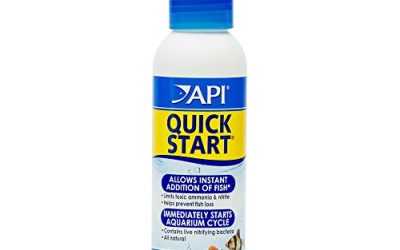
- Beneficial Bacteria Starters For Aquariums
Frequently Asked Questions
Can I use tap water straight from the faucet?
Only after treating it with a conditioner that neutralizes chlorine and chloramine. Check your water supplier’s report if you are unsure what your tap contains, and follow the dose on the label.
Should I clean the filter at every water change?
No. Filter media holds beneficial bacteria, so rinse it only occasionally, in a bucket of removed tank water rather than tap water. Stagger filter care and water changes so they do not happen on the same day.
Is it safe to do a big change in one go?
A change over half the tank is sometimes needed in an emergency, but it should be the exception. Match temperature and conditioner carefully, and ask a fish-focused professional when a problem is serious.
Do I need to remove the fish?
Almost never. Leaving fish in is less stressful than netting them, as long as you work slowly and keep the siphon away from fry or shy species.
More from Amazon
Programs that pair well with the guide above. Offers and eligibility are set by Amazon and may change.
Set up recurring deliveries of everyday items on eligible products. Terms and savings are set by Amazon.
Explore Subscribe & SaveFree shipping on eligible items, Prime Video and more. Eligible new members can start with a free trial.
Start a Prime free trialAudiobooks and podcasts to listen to on the go. Eligible new members can start with a free trial.
Try Audible freeRead from a large library of eBooks and audiobooks on any device. Check Amazon for current plans.
Explore Kindle UnlimitedAs an Amazon Associate we earn from qualifying purchases.

Write Your Review
No reviews yet. Be the first to share your experience!