

The best aquarium water conditioner is one that neutralizes chlorine and chloramine, binds heavy metals, and is concentrated enough to dose accurately for your tank size. Municipal water is safe for people but harmful to fish, and a conditioner is the first line of defense on every water change. Here are six trusted options, with notes based on label claims and reviewer feedback.
Quick Comparison
| Pick | Best for | Key feature |
|---|---|---|
| Seachem Prime Water Conditioner | All-around use and emergencies | Highly concentrated, handles chloramine and temporarily binds ammonia |
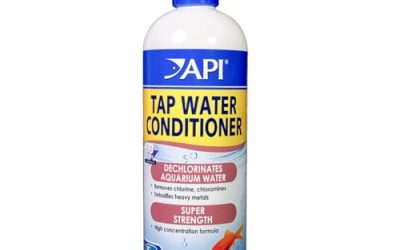
| API Tap Water Conditioner | Everyday dosing on a budget | Removes chlorine, chloramine and heavy metals |
| Fritz Aquatics Complete Water Conditioner | Fish and shrimp tanks | Detoxifies chlorine and metals |
| Tetra AquaSafe Plus | Beginners and small tanks | Adds slime coat support |
| Kordon AmQuel Plus | Tanks with ammonia concerns | Treats chlorine, chloramine and ammonia |
| Seachem Safe Powder | Large water changes | Dry, long-lasting, sold by weight |
Why Conditioners Matter
Most utilities disinfect with chlorine or chloramine. Chlorine dissipates when water sits, but chloramine does not, and it can burn gills. Conditioners neutralize both and may bind metals such as copper or lead that appear in older pipes. Many also temporarily detoxify ammonia released when chloramine is broken apart. Skipping this step, even on small top-offs, is risky for sensitive fish and shrimp. Find out what your water supplier uses by checking the local water quality report, then pick a conditioner that explicitly handles it.
1. Seachem Prime Water Conditioner
Prime is the default recommendation in many fish stores for good reason. It is highly concentrated, so a small bottle lasts through many water changes, and it handles chlorine, chloramine and the ammonia released from chloramine for a short time. Some owners dislike the sulfur-like smell, and the concentrated dose requires measuring carefully. If you need a conditioner that can double as an emergency ammonia detox, this is the first one to consider.
Seachem Prime Water Conditioner
2. API Tap Water Conditioner
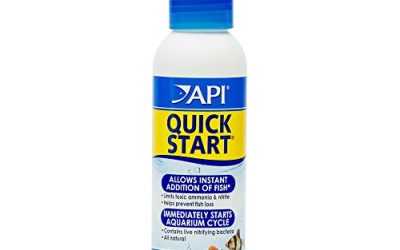
API’s conditioner is a straightforward, easy-to-find choice. It removes chlorine, chloramine and heavy metals, and the dosing is simple. It is less concentrated than Prime, so you will use more per change, but the cost per gallon is reasonable for small to medium tanks. A good pick for beginners who just want a dependable bottle.
3. Fritz Aquatics Complete Water Conditioner
Fritz’s conditioner is popular among fish keepers who value a clean, simple formula. It detoxifies chlorine and chloramine and handles metals. It is a good option for community and shrimp tanks, though always confirm that any product is suitable for invertebrates and follow dosing instructions. Availability can vary, so compare with API if you cannot find it.
Fritz Aquatics Complete Water Conditioner
4. Tetra AquaSafe Plus
AquaSafe Plus is widely sold and marketed to beginners. It conditions tap water and includes ingredients meant to support fish slime coat. The extras are nice but not essential; the main job is neutralizing chlorine and chloramine. It suits small tanks, quarantine setups and bettas. Check the dose guide, which is generous for its concentration.
5. Kordon AmQuel Plus
AmQuel Plus is aimed at detoxifying ammonia as well as treating tap water, so it appeals to people who battle ammonia spikes or run fish-in cycles. It also handles chlorine, chloramine and metals. As with all ammonia binders, it does not remove the underlying problem, so keep testing and doing water changes. It is a useful supplemental tool.
6. Seachem Safe Powder
For big tanks or fish rooms where you change many gallons weekly, a dry conditioner like Safe is cost effective. It is sold by weight and treats large volumes, and you can measure it with a scoop. The downside is that powder is less convenient for small doses and can be messy. It is best for experienced hobbyists with large systems.
Seachem Safe Powder water conditioner
How to Choose
- Know your water. If your utility uses chloramine, make sure the product handles it.
- Look at concentration. Cost per treated gallon matters more than bottle price.
- Consider sensitivity. Shrimp, scaleless fish and fry deserve careful dosing.
- Match your routine. Dose per bucket or in-tank, but be consistent.
- Keep a backup. Water changes are not something you can postpone when a bottle runs out.
Dosing Habits That Prevent Problems
Add conditioner to the new water before it goes in the tank whenever possible. If you dose the tank directly, use the tank’s total volume, not the amount you are replacing. A small measuring syringe or cup removes guesswork. Overdosing a bit is generally tolerated by most conditioners, though very large overdoses can cause oxygen issues or irritation, so do not eyeball it. Keep the bottle capped and out of direct sunlight to preserve potency.
It also helps to match temperature when refilling. Even the best conditioner cannot offset a thermal shock caused by water that is much hotter or colder than the tank.
Common Mistakes
The most frequent error is assuming that letting water sit overnight is enough. It only helps with chlorine, not with chloramine. Others use hot tap water for water changes, which can pull metals from pipes and heaters. Some forget to treat water for top-offs, and others rely on a conditioner as a substitute for regular water changes. Finally, do not use conditioner as the only tool against ammonia: test often, and look for the cause.
Special Situations
New tank cycling is one of the times a conditioner earns its keep. When you set up a tank and start a fish-in cycle, ammonia can climb quickly, and a conditioner that temporarily detoxifies it buys time while bacteria grow. Remember that it only masks the problem, so you still need to test and change water. In a shrimp tank, extra caution is warranted: use a product that states it is safe for invertebrates, and avoid frequent large swings in water chemistry.
Seasonal changes in municipal water are another factor. Some utilities switch between chlorine and chloramine, or increase disinfectant levels at certain times of year, so a conditioner that handles both avoids surprises. If you live in an area with older pipes, a product that binds heavy metals offers extra protection. For people using well water, a test kit tells you whether you need anything at all, because untreated well water may be perfectly fine but could have different issues such as high iron or low oxygen.
Frequently Asked Questions
Do I need a conditioner if I use well water?
Well water typically has no chlorine, but it can contain other issues such as metals or hardness. Test it, and use conditioner only if needed.
Can I use one conditioner for all fish?
Most are safe for freshwater fish. Check the label for invertebrate suitability.
How long does conditioning take?
Most work almost immediately, though it is good practice to mix for a minute before adding water.
Is it safe to overdose?
Small overdoses are usually tolerated, but large ones are not. Measure accurately.
Conclusion
A reliable conditioner is basic fishkeeping equipment. Choose one that treats chloramine, fits your tank volume and budget, and always dose it before water reaches your fish. Whether you pick a concentrated formula like Prime or a simple everyday bottle, consistency matters more than brand.
As an Amazon Associate we earn from qualifying purchases.
More from Amazon
Programs that pair well with the guide above. Offers and eligibility are set by Amazon and may change.
Set up recurring deliveries of everyday items on eligible products. Terms and savings are set by Amazon.
Explore Subscribe & SaveFree shipping on eligible items, Prime Video and more. Eligible new members can start with a free trial.
Start a Prime free trialAudiobooks and podcasts to listen to on the go. Eligible new members can start with a free trial.
Try Audible freeRead from a large library of eBooks and audiobooks on any device. Check Amazon for current plans.
Explore Kindle UnlimitedAs an Amazon Associate we earn from qualifying purchases.

Write Your Review
No reviews yet. Be the first to share your experience!