

Key takeaways
- To cycle a freshwater aquarium, you grow a colony of beneficial bacteria that converts toxic ammonia into nitrite and then into much less harmful.
To cycle a freshwater aquarium, you grow a colony of beneficial bacteria that converts toxic ammonia into nitrite and then into much less harmful nitrate, and you do it before fish move in. The usual route is a fishless cycle: add an ammonia source, test the water every few days, and wait until the tank can process ammonia and nitrite to zero within a day.
This guide is for first-time keepers staring at an empty, freshly filled tank and wondering why the shop said to wait. It covers what is actually happening in the filter, the order of events, how to read your readings, and the shortcuts that tend to backfire. Plan on roughly four to eight weeks for a cold start, less if you borrow established media. The method has barely changed by 2026, because the biology behind it has not.
What Cycling Actually Means
Fish, leftover food and decaying plant matter all release ammonia. Even small amounts irritate gills and can be lethal in a small tank. Two groups of bacteria solve this problem: one converts ammonia to nitrite, the other converts nitrite to nitrate. Nitrate is tolerated at modest levels and is removed by plants and routine water changes.
These bacteria do not float freely in the water. They live on surfaces, mostly inside the filter media, with smaller populations on gravel, decor and glass. That is why the filter should run around the clock during the cycle, and why rinsing media under hot tap water can set you back weeks.
Before You Start
- Set up the tank fully: substrate, decor, heater, and a filter sized for the tank volume.
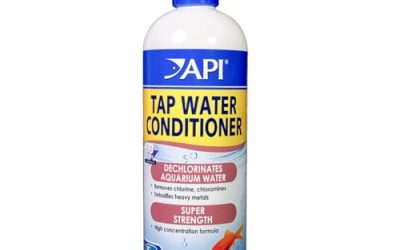
- Treat tap water with a dechlorinator that also handles chloramine, since both can suppress bacteria.
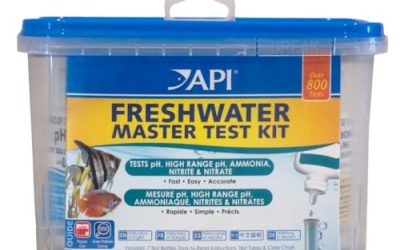
- Buy a liquid test kit that reads ammonia, nitrite and nitrate; paper strips are less precise for the low readings you need here.
- Choose your ammonia source: pure household ammonia with no scents, surfactants or dyes, or a dedicated aquarium ammonia product.
- Keep the heater set to a steady tropical temperature, since bacteria grow faster in warm water.
- Write down the date and each reading in a notebook or phone note.
The Step-by-Step Fishless Cycle
Step 1: Dose the Ammonia
Fill the tank, start the filter and heater, and add dechlorinator. Add ammonia until your test kit reads about 2 ppm. Do not chase higher numbers; excessive ammonia can stall the bacteria. Retest after an hour to confirm the reading, then log it.
Step 2: Wait for Nitrite to Appear
For the first one to three weeks, you may see ammonia slowly fall while nothing else seems to change. Test every two or three days. When ammonia drops, top it back up to about 2 ppm. Once nitrite shows up on the test, the first bacterial group has established itself.
Step 3: Watch Nitrite Spike, Then Nitrate Climb
Nitrite often rises high and lingers, which is normal and the most frustrating phase. Keep feeding ammonia as it is consumed. Eventually nitrite begins to fall and nitrate rises, signaling that the second group of bacteria has taken hold.
Step 4: Run the Final Check
Dose ammonia to about 2 ppm. Test again after 24 hours. If ammonia and nitrite both read zero and nitrate is present, the filter can handle a real bioload. Do a large water change to bring nitrate down before adding fish.
Reading Your Test Results
| Stage | What you see | What it means | What to do |
|---|---|---|---|
| Early | Ammonia present, no nitrite | Bacteria are still colonizing | Keep filter running, hold ammonia near 2 ppm |
| Middle | Ammonia dropping, nitrite rising | First bacteria group is working | Continue dosing as ammonia is consumed |
| Late | Nitrite falling, nitrate rising | Second group is catching up | Stay patient; avoid large changes unless readings stall |
| Complete | Zero ammonia and nitrite in 24 hours, some nitrate | Cycle is established | Water change, then stock gradually |
| Stalled | No change for over a week | pH, temperature, or ammonia level may be off | Check heater, chlorine treatment, and dose size |
Cycling With Fish In: The Harder Path
Some people end up cycling with fish already in the tank, either by accident or because the fish arrived before the plan did. It can work, but it asks more of you. Feed lightly, choose hardy species and keep the group small. Test daily, and when ammonia or nitrite climb above the safe range for your species, do a partial water change with dechlorinated water that matches the tank temperature.
Expect to be changing water often for a few weeks. A fishless cycle is less stressful for the animals and usually less stressful for you.
Speeding Things Up Safely
Seeded media is the most reliable shortcut. A piece of sponge or filter floss from a healthy, established tank carries a working colony and can shorten the wait a great deal. Ask a friend or local fish club, and make sure the donor tank is free of disease and pests.
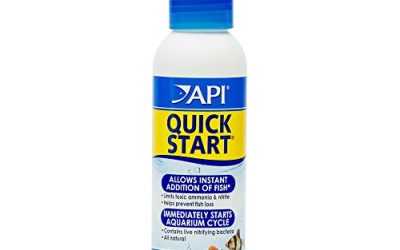
Bottled bacteria products exist, and some buyers report faster results, though quality and storage conditions vary. Treat them as a boost, not a substitute for testing. Whatever you do, the finish line stays the same: zero ammonia and nitrite within a day of dosing.
Mistakes That Reset the Clock
- Cleaning the filter media in untreated tap water.
- Turning the filter off overnight or for days at a time.
- Adding too much ammonia in the hope of speeding things up.
- Declaring victory after a single good reading instead of the 24-hour check.
- Adding a full group of fish the moment the cycle ends instead of stocking in stages.
Troubleshooting a Stalled Cycle
If a week passes with no movement in any reading, work through the likely causes in order. Start with the water source: if your supplier uses chloramine, a conditioner that only removes chlorine will leave the bacteria struggling. Next check temperature, because a cold room can slow growth to a crawl, and a heater set a few degrees higher often gets things moving again.
Then look at pH. Nitrifying bacteria slow down in very acidic water, and a reading below about 6.5 is a common reason for a cycle that will not finish. Soft water with little buffering can crash in pH as bacteria work, so a small amount of crushed coral or a buffering product may help, depending on the fish you plan to keep. Finally, confirm that your ammonia source is pure. Products with added scents or surfactants can foam in the tank and harm the colony.
What to Do While You Wait
The waiting weeks are a good time to plan the stocking list, since the species you choose affects how fast you should add them. Research adult size, temperament and water needs, and avoid buying anything until the tank passes the 24-hour check. Hardy plants can be added early, and they will establish roots while the bacteria establish themselves.
Resist the urge to change water unless readings climb very high. During a fishless cycle, nitrite above the upper range of most test kits can stall the second bacterial group, and a partial water change is a reasonable fix in that case. Otherwise, leave the system alone, keep notes, and let the numbers guide you.
Stocking After the Cycle
A finished cycle does not mean the tank can take a full load of fish at once. The bacteria population grows to match the ammonia available, so a sudden jump in waste can overwhelm it. Add a small first group, wait a week or two while testing, and then add more. Feed lightly at first and keep checking ammonia and nitrite for the first month.
Related guides
- Canister Filter For 55 Gallon Freshwater Tank
- Programmable App Controlled Aquarium Lights
- Beneficial Bacteria Starters For Aquariums
Frequently Asked Questions
How long does a freshwater tank take to cycle?
Most tanks need about four to eight weeks, though warm water, seeded media and a well-sized filter can shorten it. Cold, heavily planted or very new setups can take longer. Go by the test results, not the calendar.
Do live plants help?
Fast-growing plants take up ammonia and nitrate, which can soften spikes. They do not replace a bacterial colony, so keep testing. In a planted tank, the cycle may look less dramatic on paper but still needs to be confirmed.
Can I add fish after a few days if I use a bacterial product?
That is risky. Product labels vary, and the tank still needs to prove it can clear ammonia and nitrite. Run the 24-hour test before adding livestock, and add just a few fish at first.
Why did my ammonia read zero but nitrite is still high?
That is a normal middle stage. The first bacteria group is working, while the second is still growing. Keep the filter running and wait for nitrite to fall on its own. A partial water change is only needed if fish are present.
More from Amazon
Programs that pair well with the guide above. Offers and eligibility are set by Amazon and may change.
Set up recurring deliveries of everyday items on eligible products. Terms and savings are set by Amazon.
Explore Subscribe & SaveFree shipping on eligible items, Prime Video and more. Eligible new members can start with a free trial.
Start a Prime free trialAudiobooks and podcasts to listen to on the go. Eligible new members can start with a free trial.
Try Audible freeRead from a large library of eBooks and audiobooks on any device. Check Amazon for current plans.
Explore Kindle UnlimitedAs an Amazon Associate we earn from qualifying purchases.
Write Your Review
No reviews yet. Be the first to share your experience!