

Key takeaways
- Smooth, cured painted drywall: The ideal surface. Clean with a mild, residue-free solution, let it dry fully, and test a hidden area.
- Gloss or satin paint: Often workable, but adhesion may be weaker. A small test panel should remain attached for several days before full installation.
- Matte or chalky paint: Higher removal risk because the coating may shed or lift. Seal the surface first if the paint manufacturer allows it.
- Textured walls: Usually a poor match. Ridges create air channels and concentrate stress at seams, causing early lifting.
- Freshly painted walls: Wait for the paint to cure according to its label; a surface that feels dry can still release moisture or soften under adhesive.
- Wallpaper over existing wallpaper: Avoid unless the underlying layer is firmly bonded, smooth, and approved by the new product’s instructions.
- Wood, laminate, or furniture panels: Usually suitable after degreasing, but movement and temperature changes can cause seams to open.
The best removable wallpaper for most easy room updates is a high-quality peel-and-stick vinyl with a repositionable adhesive, but the right choice changes with your wall surface, humidity level, budget, and how often you expect to redecorate.
For a fish room, bathroom accent wall, rental, nursery, or home office, prioritize the adhesive and surface preparation over the printed pattern. A beautiful roll that lifts at the seams or damages paint is not a good value. The comparison below focuses on the details product listings often leave vague: peel strength, repositionability, material quality, pattern matching, moisture resistance, and removal behavior.
Our top picks

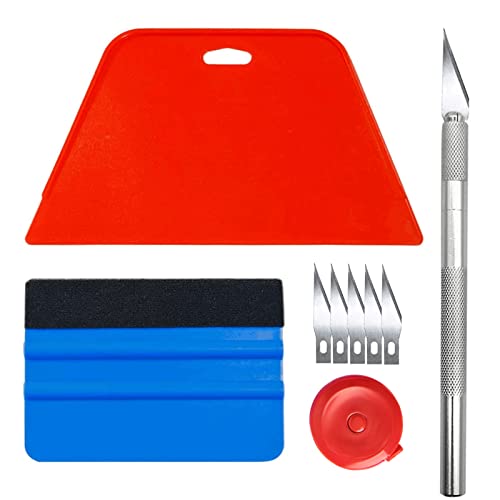


As an Amazon Associate we earn from qualifying purchases at no extra cost to you. Ratings are shown as listed on Amazon.
Quick picks by situation
| Situation | Best wallpaper type | Why it fits | Typical market range |
|---|---|---|---|
| First-time installer or renter | Lightweight repositionable vinyl | Forgiving during alignment and usually easier to remove | $30–$70 per roll |
| Feature wall with a large pattern | Premium printed vinyl or laminated nonwoven | Sharper printing, more stable panels, better seam control | $50–$120 per roll |
| Humid fish room or bathroom | Moisture-resistant vinyl | Wipeable face and less vulnerable to occasional condensation | $35–$100 per roll |
| Frequent seasonal changes | Thin, low-tack peel-and-stick film | Fast removal, though it is less durable at corners | $25–$60 per roll |
| Textured or recently painted wall | None until the wall is corrected | Texture prevents adhesion; fresh paint may pull away | Wall preparation: $10–$40 in materials |
Head-to-head: the main removable wallpaper materials
Peel-and-stick vinyl
Vinyl is the safest all-purpose recommendation because it combines a wipeable surface with a stable backing. It is commonly available from brands such as RoomMates, Tempaper, NuWallpaper by York Wallcoverings, and Spoonflower’s removable wallpaper range. Thickness and adhesive vary by collection, so “vinyl” alone is not a guarantee of quality.
Vinyl generally handles light splashes better than paper-faced products and is less likely to tear while being repositioned. Its disadvantages are a slightly plastic feel, potential glare under strong aquarium lighting, and the possibility of shrinking or edge lift if exposed to sustained heat or steam.
Removable nonwoven wallpaper
Nonwoven wallpaper uses a fibrous sheet rather than a plastic film. It can look and feel more like conventional wallpaper, with less glare and a more substantial surface. It is a strong choice for living rooms and bedrooms, especially when appearance matters more than frequent wiping.
Its moisture performance depends on the printed coating. A nonwoven product may tolerate normal household humidity but should not be treated as waterproof behind a sink, beside an open aquarium, or in a poorly ventilated bathroom. It can also be less forgiving if the wall is dusty or uneven.
Thin decorative film
Thin self-adhesive film is inexpensive and often easy to cut around shelves, switch plates, and small furniture panels. It works well for temporary changes, but it is the least resistant to creasing, punctures, and corner lift. Use it for a small accent or cabinet rather than a high-contact hallway wall.
What to compare before buying
Peel strength versus repositionability
These qualities work against each other. A low-tack adhesive is easy to move during installation and usually kinder to painted drywall, but it may lift around corners or behind furniture that warms the wall. A stronger adhesive stays put better but demands cleaner installation and can remove weak paint.
For a first project, choose a product that explicitly states “repositionable during installation,” not merely “removable.” Repositionable means the adhesive can usually be lifted and reset before it fully bonds. After several hours or days, even a removable product may become difficult to move without stretching.
Material quality and weight
Very light wallpaper is easier to handle overhead, but it can telegraph every wall imperfection and wrinkle more readily. Heavier vinyl or nonwoven sheets lie flatter and feel more substantial, although they need more careful smoothing at seams.
| Specification | Useful target for a durable project | What a lower figure usually means |
|---|---|---|
| Panel width | 20.5–27 inches | More seams if the roll is unusually narrow |
| Panel length | 16–24 feet per roll | Less usable coverage and more joins |
| Face material | Coated vinyl or quality nonwoven | More vulnerability to scuffs, moisture, and tearing |
| Pattern repeat | 0–20 inches for easier matching | More waste on large repeats |
| Recommended wall condition | Smooth, clean, dry, cured paint | Texture, dust, or fresh paint can cause failure |
Pattern matching and waste
Random patterns are the easiest and most economical because adjoining strips do not need to line up. Straight-across patterns are manageable for beginners. Drop-match patterns look polished but create more offcuts, particularly on tall walls or around windows.
Calculate coverage using the usable roll length rather than the advertised length. For example, a 20.5-inch-wide roll that is 18 feet long has 30.75 square feet of nominal coverage:
20.5 inches ÷ 12 × 18 feet = 30.75 square feet.
If the pattern repeat and trimming consume 15 percent, practical coverage is about 26 square feet. A 100-square-foot wall would therefore need four rolls, not three. Buy one additional roll when the pattern is discontinued, the wall has many openings, or color consistency matters.
Moisture resistance
“Moisture resistant” should mean the face can be wiped with a slightly damp cloth, not that the seams are sealed against continuous water. Keep removable wallpaper away from direct spray, standing water, and the splash zone immediately behind an aquarium filter or air pump.
In a fish room, install it on a wall that experiences humidity but not repeated splashing. Leave clearance around outlets, avoid covering ventilation grilles, and wipe condensation promptly. A dehumidifier and adequate ventilation will protect both the wallpaper and the room better than adhesive alone.
How wall surface changes the recommendation
- Smooth, cured painted drywall: The ideal surface. Clean with a mild, residue-free solution, let it dry fully, and test a hidden area.
- Gloss or satin paint: Often workable, but adhesion may be weaker. A small test panel should remain attached for several days before full installation.
- Matte or chalky paint: Higher removal risk because the coating may shed or lift. Seal the surface first if the paint manufacturer allows it.
- Textured walls: Usually a poor match. Ridges create air channels and concentrate stress at seams, causing early lifting.
- Freshly painted walls: Wait for the paint to cure according to its label; a surface that feels dry can still release moisture or soften under adhesive.
- Wallpaper over existing wallpaper: Avoid unless the underlying layer is firmly bonded, smooth, and approved by the new product’s instructions.
- Wood, laminate, or furniture panels: Usually suitable after degreasing, but movement and temperature changes can cause seams to open.
Installation details that determine removal success
- Measure the wall and inspect it in side lighting. Fill nail holes and sand ridges; wallpaper hides color differences better than bumps.
- Make a test panel. Apply a small piece in an inconspicuous location, leave it for several days, then remove it slowly. Check both the wallpaper and the paint.
- Mark a vertical guide. Do not use the corner as your reference because corners are rarely perfectly plumb.
- Peel the backing gradually. Expose roughly 6–12 inches at a time and smooth from the center outward with a soft squeegee.
- Do not stretch the sheet. Stretching makes the panel contract later, opening seams and lifting edges.
- Finish edges carefully. Press seams and corners firmly, but leave a small gap around trim, outlets, and wet areas rather than forcing the wallpaper into them.
When removing it, warm the room moderately, lift one corner, and pull the sheet back over itself at a low angle. Pulling straight outward increases the chance of taking paint with it. If the sheet tears, work under the remaining edge with a plastic card instead of a metal blade.
Ownership realities
The first areas to wear are usually corners, seams near heat sources, and sections touched frequently. Aquarium humidity is less damaging than direct splashes, while sunlight can fade dark colors over time. Clean vinyl with a soft damp cloth; avoid abrasive sponges, alcohol-heavy cleaners, and soaking the seams. Nonwoven surfaces should be cleaned only as directed by the manufacturer.
For the lowest-risk purchase, choose a midweight repositionable vinyl with a small or random pattern, buy 10–15 percent more than the calculated coverage, and test it on your exact wall. Choose premium nonwoven when visual texture and low glare matter most, and choose thin film only when temporary use and low cost outweigh long-term durability.
FAQ
Can removable wallpaper be used near an aquarium?
Yes, on a smooth wall outside the direct splash zone. Keep the seams dry, wipe condensation, and maintain ventilation. It is not a substitute for waterproof wall protection behind a leaking filter or frequently splashed tank.
Will removable wallpaper damage paint?
It can, particularly on weak, chalky, fresh, or poorly bonded paint. The only reliable way to assess risk is a test panel on the actual surface, followed by slow removal.
Is a larger roll always better?
Not necessarily. A wider roll reduces seams but can be harder for one person to align. Pattern repeat, usable length, and the number of openings on the wall matter as much as roll size.

Write Your Review
No reviews yet. Be the first to share your experience!