

Key takeaways
- A 200 gallon aquarium is a serious piece of equipment: the water alone weighs well over a ton.
A 200 gallon aquarium is a serious piece of equipment: the water alone weighs well over a ton, the glass or acrylic must be thick enough to hold that pressure, and the stand, floor, and filtration all have to be planned in advance. Choosing well comes down to material, dimensions, support, and how the tank will be filtered and serviced.
Buyers often focus on the look of the tank and discover the difficult parts only after delivery: a hallway that is too narrow, a floor that sags, or a filtration plan that cannot keep up. This guide covers the decisions that matter, in the order they should be made.
Check the Floor and the Route Before Anything Else
Water weighs about eight pounds per gallon, so 200 gallons is roughly 1,700 pounds of water. Add glass or acrylic, substrate, rock, and the stand, and the total can approach two tons. That load is concentrated on a footprint of only a few square feet.
Floor Support
Ground-floor rooms over a concrete slab are the safest option. Upper floors and homes with wooden joists call for a structural check, and the tank should be placed so that its long side runs perpendicular to the joists, ideally near a load-bearing wall. A contractor or structural engineer can confirm whether reinforcement is needed.
Delivery Path
Measure every door, stairwell, and corner between the delivery point and the final location. Large tanks do not bend. A tank that cannot get through a doorway may need to be lifted over a balcony or windows removed, which adds cost and risk.
Glass Versus Acrylic
The choice of material shapes almost everything else about the purchase.
| Factor | Glass | Acrylic |
|---|---|---|
| Scratch resistance | High | Low, but scratches can be polished |
| Weight | Heavy | Considerably lighter |
| Clarity | Good, low-iron glass is clearer | Very clear, less green tint |
| Impact strength | Can shatter | Resists cracking |
| Shape options | Mostly rectangular | Curved and custom shapes |
| Cost | Generally lower | Generally higher |
Glass suits owners who scrub algae often and want a scratch-proof surface. Acrylic suits those who move equipment, need lighter weight, or want a seamless look. At this volume, the weight savings of acrylic can matter for floor load and delivery.
Dimensions and Proportions
Tanks with the same volume can have different shapes. A longer, shallower tank gives fish more swimming room and a larger surface for gas exchange, while a taller tank has a smaller footprint but is harder to reach into for cleaning. Many 200 gallon tanks are around six feet long, though dimensions vary by manufacturer.
- Longer tanks suit active swimmers and fish that need horizontal room.
- Deeper tanks suit tall plants and vertical aquascapes, but need strong lighting to reach the bottom.
- Check the front-to-back depth if the plan includes large rockwork, since reaching behind it can be hard.
Plan clearance of several inches behind the tank for equipment and enough room in front to stand comfortably during maintenance.
Stand Design and Construction
The stand is as important as the tank. It must be rated for the full filled weight and designed for the specific footprint. Look for a solid frame with a continuous top that supports the tank bottom along its full perimeter, with additional center bracing for the span.
Material Options
Steel frames offer strength and open access to equipment but may need cosmetic paneling. Wood cabinets, particularly plywood or hardwood construction, provide a furniture look and hidden storage. Avoid particleboard in humid conditions, since moisture swells and weakens it over time.
Leveling
The tank must sit perfectly level and the floor beneath must be flat. A stand that rocks puts uneven stress on the bottom pane. Use shims under the stand feet, not under the tank itself, and add a foam mat between stand and tank if the manufacturer recommends it.
Filtration and Water Movement
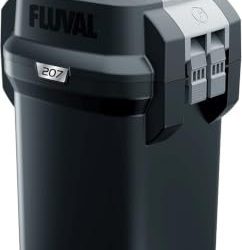
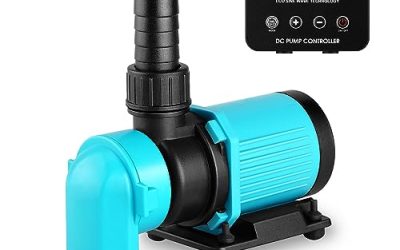
A tank this size usually requires more than a single hang-on filter. Options include large canister filters, wet-dry or trickle filters, and sump systems. A sump increases total water volume, adds space for heaters and media, and hides equipment from view, but requires a tank with a drilled overflow.
- Canister filters: simple to install, no drilling needed, but media capacity is limited.
- Sump systems: highest capacity and flexibility, best for heavily stocked or marine tanks.
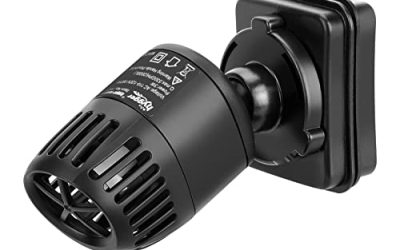
- Powerheads: add circulation to prevent dead zones where waste collects.
Overflow boxes and drilled holes must be correctly specified. A failed overflow or loss of power to the return pump can flood a room, so back-flow protection, check valves, and a properly sized sump with room for drain-down are required.
Water Changes and Daily Servicing
A tank this size is only enjoyable if maintenance is realistic. Changing a fifth of the water means moving about forty gallons, which is not a bucket job. A dedicated hose to a nearby drain and a faucet-fed refill line, or a simple pump-out and pump-in setup, turns an hour of hauling into a few minutes of work.
Reach is another consideration. Deep tanks make it difficult to clean the bottom or arrange decor without getting wet to the shoulder. Long-handled tools, a sturdy step stool, and a stand designed with easy access to the top rim all make routine tasks safer. Leave space beside the tank to set down buckets, nets, and testing supplies.
Heating, Lighting, and Lids
Large volumes retain heat well but take longer to warm. Use multiple smaller heaters rather than one large unit, which gives redundancy if one fails. Lighting should match the livestock, with higher output for live plants or corals and gentler lighting for fish-only tanks. LED fixtures are common because of low heat and long life.
A lid, canopy, or glass tops reduce evaporation and keep fish from jumping. Make sure there is room for feeding access and cable routing.
Stocking Plans for a Large Tank
Size opens up options that smaller tanks cannot support: large schooling fish, big cichlids, long-bodied species that need room to turn, or a mixed marine reef with several zones. Decide on the livestock before finalizing the tank, because the animals determine the lid style, flow pattern, water temperature, and even the substrate depth.
Adding fish gradually helps the biological filter keep up. Even in a big volume, adding the whole population in one weekend can cause an ammonia spike. Stage the introductions over several weeks, test water regularly, and quarantine newcomers in a separate tank whenever possible so that disease does not spread through a system that is expensive to treat.
Common Mistakes and Budget Tiers
Frequent mistakes include forgetting the cost of equipment, underestimating the time needed to fill and cycle the tank, and buying a tank before measuring the room. Another is ignoring how water will be changed: lugging buckets for a tank this large is tiring, so a hose-based system or dedicated drain line saves hours.
Budget tiers vary widely. Entry-level options are basic glass tanks with a simple stand and minimal accessories, requiring most equipment to be bought separately. Mid-range options include better stands, pre-drilled tanks, and matching lids. Premium models add low-iron glass or thick acrylic, custom cabinetry, and integrated filtration.
Buying Checklist
- Confirm that the floor can carry the full weight.
- Measure the delivery path from door to final location.
- Choose glass or acrylic based on the weight and scratch tradeoffs.
- Match the stand rating and footprint to the tank.
- Plan filtration, heating, and circulation before the tank arrives.
- Budget for a water source and drain for regular changes.
- Check delivery terms, damage coverage, and warranty.
Related guides
- Canister Filter For 55 Gallon Freshwater Tank
- Ceramic Heat Emitters For Snake Enclosures
- Aquarium Light For Low Tech Planted Tanks
Frequently Asked Questions
How much does a filled 200 gallon aquarium weigh?
The water alone weighs about 1,700 pounds, and the tank, stand, substrate, and decor push the total toward two tons. This is why floor support must be checked first.
Is acrylic better than glass at this size?
Acrylic is much lighter and more impact resistant, which helps during delivery and on upper floors. Glass resists scratches better and usually costs less, so the right choice depends on maintenance habits and budget.
Is a sump necessary for a tank this large?
A sump is not required, but it adds filtration capacity, water volume, and a place to hide equipment. Large canister filters can also work well, especially on tanks without a drilled overflow.
How long does it take to set up a tank this size?
Filling, leak testing, and heating can take a day or two, but the nitrogen cycle usually takes several weeks before fish can be added safely. Rushing the cycle is a common cause of early losses.
More from Amazon
Programs that pair well with the guide above. Offers and eligibility are set by Amazon and may change.
Set up recurring deliveries of everyday items on eligible products. Terms and savings are set by Amazon.
Explore Subscribe & SaveFree shipping on eligible items, Prime Video and more. Eligible new members can start with a free trial.
Start a Prime free trialAudiobooks and podcasts to listen to on the go. Eligible new members can start with a free trial.
Try Audible freeRead from a large library of eBooks and audiobooks on any device. Check Amazon for current plans.
Explore Kindle UnlimitedAs an Amazon Associate we earn from qualifying purchases.


Write Your Review
No reviews yet. Be the first to share your experience!