

Key takeaways
- For the driest straight pour: choose an unsweetened botanical spirit alternative or a bitter, low-sugar aperitif. Serve it over a large ice cube with a lemon peel.
- For a wine replacement: choose an alcohol-free sparkling wine labeled brut or extra brut. It will usually taste more wine-like than a botanical spirit, although some products retain noticeable grape sweetness.
- For a Negroni-style drink: use a bitter aperitif alternative with soda, an alcohol-free vermouth-style product, or a bitter concentrate. Look for gentian, cinchona, orange peel, and rhubarb rather than only juniper.
- For a gin-and-tonic substitute: choose a botanical spirit alternative built around juniper, coriander, citrus peel, and herbs. Keep the tonic dry; regular tonic can add more sugar than the spirit alternative.
- For a low-cost daily drink: use hop water, plain sparkling water with bitters, or a botanical concentrate diluted with soda.
- For a drink that needs no recipe: buy a canned alcohol-free spritz or hop water. Convenience costs more per serving but avoids mixers and opened bottles.
The best dry drink alternatives for alcohol-free sipping are bitter aperitifs for an aperitivo-style glass, unsweetened botanical spirits for cocktails, and dry sparkling wines when you want wine-like acidity without noticeable sweetness.
“Dry” does not mean alcohol-free, sugar-free, or flavorless. In this guide, dryness means a drink finishes with little sweetness; bitterness comes from ingredients such as gentian, quinine, citrus peel, and herbs. Those are separate traits, so compare both before buying.
Our top picks
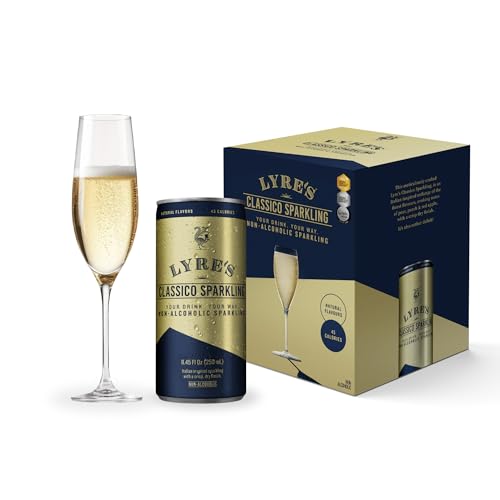
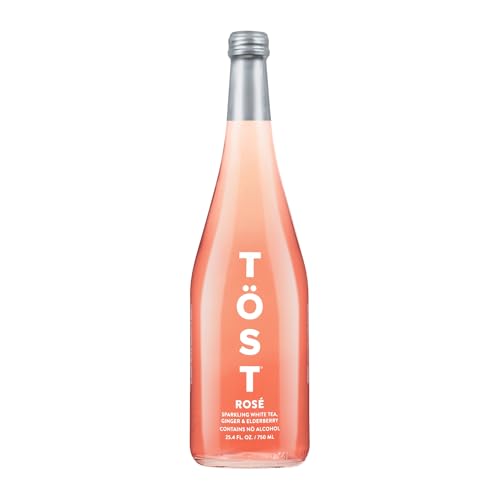


As an Amazon Associate we earn from qualifying purchases at no extra cost to you. Ratings are shown as listed on Amazon.
Quick comparison: which dry alternative fits your glass?
| Drink type | Typical sweetness | Typical bitterness | Serving style | Typical price | Approx. cost per serving |
|---|---|---|---|---|---|
| Alcohol-free sparkling wine | Low to medium | Low | Chilled, in a wine flute | $12–$25 per 750 ml bottle | $2.40–$5.00 for 150 ml |
| Botanical spirit alternative | Low | Low to medium | With tonic, soda, or in a mixed drink | $25–$40 per 700–750 ml bottle | $1.70–$2.90 for 50 ml |
| Bitter aperitif alternative | Medium | Medium to high | Over ice with soda or tonic | $25–$40 per 500–750 ml bottle | $2.00–$4.00 for 50 ml |
| Unsweetened botanical concentrate | Low, depending on mixer | Medium to high | Measured into soda, tonic, or a cocktail | $15–$30 per 250–500 ml bottle | $0.75–$2.50 per serving |
| Hop water or flavored sparkling water | None to very low | Low to medium | Cold, straight from a can | $5–$12 per 4-pack | $1.25–$3.00 per 355 ml can |
These are broad 2026 market ranges rather than fixed prices. Serving costs assume a standard pour and exclude optional tonic, soda, citrus, or garnish.
Best choices by drinking situation
- For the driest straight pour: choose an unsweetened botanical spirit alternative or a bitter, low-sugar aperitif. Serve it over a large ice cube with a lemon peel.
- For a wine replacement: choose an alcohol-free sparkling wine labeled brut or extra brut. It will usually taste more wine-like than a botanical spirit, although some products retain noticeable grape sweetness.
- For a Negroni-style drink: use a bitter aperitif alternative with soda, an alcohol-free vermouth-style product, or a bitter concentrate. Look for gentian, cinchona, orange peel, and rhubarb rather than only juniper.
- For a gin-and-tonic substitute: choose a botanical spirit alternative built around juniper, coriander, citrus peel, and herbs. Keep the tonic dry; regular tonic can add more sugar than the spirit alternative.
- For a low-cost daily drink: use hop water, plain sparkling water with bitters, or a botanical concentrate diluted with soda.
- For a drink that needs no recipe: buy a canned alcohol-free spritz or hop water. Convenience costs more per serving but avoids mixers and opened bottles.
Head-to-head: botanical spirits versus bitter aperitifs
Botanical spirit alternatives
Products such as Seedlip, Monday Gin, and Lyre’s Dry London Spirit are designed to occupy the aromatic space of gin rather than imitate its alcohol exactly. Typical ingredients include distilled herbs, juniper, citrus, spices, tea, and other botanicals. They are usually best with plenty of ice, a small amount of dry tonic, or soda water.
Their main advantage is dryness. Many have little or no sugar, so the flavor comes from aroma, acidity, spice, and bitterness. Their limitation is body: alcohol normally carries aroma and creates warmth, while an alcohol-free botanical drink can seem thin if served without dilution or a garnish.
Bitter aperitif alternatives
Wilfred’s, Ghia, and similar aperitif-style drinks generally emphasize citrus, herbs, and bitter roots. They are more assertive than a juniper-led spirit and often contain fruit juice, grape must, or added sugar. The result can be more satisfying in a spritz, but less dry when sipped neat.
Use a bitter aperitif when you want a deliberate bitter finish rather than a gin-like botanical profile. A typical serve is 50 ml over ice topped with 100–150 ml of soda. If that tastes sweet, add more soda, a squeeze of lemon, or a few dashes of non-alcoholic bitters.
How leading styles differ
| Style or example | Flavor direction | Dryness expectation | Best use | Watch for |
|---|---|---|---|---|
| Seedlip-style botanical spirit | Herbal, citrus, spice, sometimes earthy | Very dry | Soda, tonic, spirit-forward mixed drinks | Can feel light without ice and dilution |
| Lyre’s Dry London Spirit-style product | Juniper, citrus, spice | Dry to moderately dry | Gin-style highballs and cocktails | Check the specific formulation and sugar content |
| Ghia-style aperitif | Grapefruit, herbs, bitter citrus | Moderately dry | Spritzes and soda serves | More bitter and acidic than a conventional soft drink |
| Wilfred’s-style aperitif | Orange, rosemary, rhubarb, spice | Moderately dry to lightly sweet | Spritzes and aperitif cocktails | Orange-forward profiles may seem sweeter |
| Alcohol-free brut sparkling wine | Apple, grape, citrus, floral notes | Dry to lightly sweet | Wine glasses, meals, celebrations | Residual sugar varies widely between brands |
| Hop water | Floral, resinous, citrus-like | Very dry | Cold, straight from the can | Does not reproduce wine or spirit texture |
Ingredients that predict the experience
Juniper suggests a gin-like pine and citrus character. Gentian, cinchona, wormwood, and rhubarb usually increase bitterness. Grape juice, apple juice, agave, cane sugar, and concentrated fruit can add sweetness, even when the label uses words such as “adult” or “aperitif.” Tea, vinegar, verjus, and citrus can provide acidity and structure without making a drink sugary.
Read the nutrition panel as well as the ingredient list. A drink with 8–12 grams of sugar per 100 ml will taste substantially sweeter than one with 0–2 grams, particularly when served neat. Also check whether “0.0%” or “alcohol-free” is the relevant claim in your country, since labeling standards can differ.
A simple cost-per-serving calculation
Suppose a 700 ml botanical spirit alternative costs $32 and you pour 50 ml per drink:
700 ml ÷ 50 ml = 14 servings
$32 ÷ 14 = about $2.29 per serving
Add 150 ml of premium tonic at $1.25 and the finished drink costs about $3.54. By comparison, a $9 four-pack of hop water costs $2.25 per can and requires no mixer. This is why a higher-priced bottle can still be economical for mixed drinks, while cans often win on convenience and portion control.
Ownership realities: what affects value?
- Opened-bottle life: botanical spirits commonly keep for months when tightly capped and stored cool, but fresh, juice-based aperitifs can lose brightness sooner. Follow the maker’s refrigeration guidance.
- Mixers are the hidden cost: tonic, fresh citrus, and specialty garnishes can cost as much as the alcohol-free base. Soda water is the least expensive neutral mixer.
- Bitterness is difficult to correct: add dilution, ice, or citrus before adding sweetener. A small amount of grapefruit or orange juice can soften bitterness without turning the drink into a soft drink.
- Carbonation disappears quickly: close sparkling wine promptly with a suitable stopper and refrigerate it. A bottle left warm and open will taste flat regardless of price.
- Glassware changes perception: a wine glass emphasizes aroma, a rocks glass suits bitter serves, and a tall glass makes a small amount of base feel more substantial through extra ice and soda.
A practical buying decision
| Your priority | Choose | Why |
|---|---|---|
| Maximum dryness and minimal sugar | Unsweetened botanical spirit or hop water | Neither relies on fruit sweetness for structure |
| Strong bitter finish | Bitter aperitif or gentian-based concentrate | Designed around bitter roots and citrus peel |
| Wine-like serving ritual | Brut alcohol-free sparkling wine | Works chilled in a flute or white-wine glass |
| Lowest recurring cost | Soda water plus concentrate or bitters | One small bottle can produce many servings |
| Fastest option for guests | Canned spritz or hop water | No measuring, mixing, or opened-bottle storage |
Bottom line
For the best dry drink alternative overall, start with an unsweetened botanical spirit if you enjoy gin-like aromatics, or a bitter aperitif if you prefer citrus and a pronounced bitter finish. Choose alcohol-free brut sparkling wine for meals and celebrations, and hop water or a concentrate when low cost and effortless daily sipping matter most. The decisive checks are sugar per 100 ml, bitterness from the ingredient list, intended serving size, and the price of the mixer—not the alcohol-free label alone.

Write Your Review
No reviews yet. Be the first to share your experience!