

Key takeaways
- Compare the best shrimp food for cherry and crystal shrimp: staple pellets, sticks and biofilm powder, plus honest notes on copper and overfeeding.
Disclosure: As an Amazon Associate, I earn from qualifying purchases.
Freshwater dwarf shrimp are grazers, not gulpers. In a mature tank, cherry shrimp and crystal shrimp spend most of the day picking at biofilm, algae and decaying plant matter, which is why a shrimp colony can look perfectly content in a tank where you rarely add food at all. That grazing habit is also why choosing the best shrimp food is less about finding one perfect product and more about filling the gaps biofilm cannot cover: concentrated protein for egg production, calcium and minerals for clean molts, and fine powdered food that newborn shrimplets can actually reach and eat.
This guide compares five widely available shrimp foods that each do a different job. Two are everyday staple pellets and sticks, one is a budget granule with added calcium, one is a biofilm-building powder aimed at breeding tanks, and one is a calcium-rich crustacean stick worth rotating in when molts start failing. Just as important, it explains the two mistakes that cause more shrimp losses than any brand choice: overfeeding a small tank, and panicking about the wrong kind of copper.
How to Choose the Best Shrimp Food
Start with the role, not the brand. A complete shrimp feeding plan usually has three parts. A staple food covers daily nutrition with a mix of plant matter and moderate protein. A biofilm or powder food feeds the whole tank surface, which matters most for babies too small to compete at a pellet. A mineral source supports shell building. No single product does all three jobs well, so plan on a small rotation rather than one tub.
Read the copper line calmly. Many keepers scan ingredient lists for copper and reject any food that contains it. That instinct comes from a real danger, but it is aimed at the wrong target. Shrimp blood is built on hemocyanin, a copper-based protein, so dwarf shrimp actually need trace amounts of dietary copper to stay alive. The trace copper compounds in commercial shrimp foods are measured in tiny fractions and are not what kills shrimp. The genuine hazard is copper dosed at medication or algaecide strength, for example copper-based ich treatments or plant dips used carelessly in a shrimp tank. Avoid those, and do not fear a food label.
Match the form to the mouth. Adult Neocaridina handle small pellets and sticks easily, breaking pieces off and carrying them away. Shrimplets cannot do that; in their first weeks they live almost entirely on biofilm and microorganisms growing on plants, wood and glass. If you want babies to survive in numbers, a powder that promotes biofilm across every surface does more than any extra pellet.
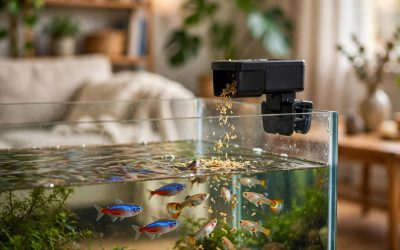
Respect the size of a nano tank. Shrimp tanks are often 5 to 10 gallons, and water volume that small has almost no buffer. Uneaten food starts decaying within hours, pushing ammonia up in a tank where the livestock weighs almost nothing and eats almost nothing. Feed far less than feels generous: a portion the colony finishes in two to three hours, offered a few times a week rather than daily in a mature planted tank, and remove leftovers with a feeding dish so you can see exactly what was eaten.
Check freshness and storage. Dry foods lose vitamins after opening, and a huge tub that lasts two years is worse value than a small pack used up in a few months. Store food sealed, cool and dry, and write the opening date on the lid.
The 5 Best Shrimp Foods
Hikari Shrimp Cuisine

A long-running staple from Hikari, sold in a small pouch of mini sinking pellets formulated specifically for dwarf shrimp rather than adapted from a fish food.
Specs
- Form: sinking mini pellets, roughly 1.2 to 1.4 mm
- Net weight: 0.35 oz (10 g)
- Protein: minimum 40% crude protein per the maker’s analysis
- Key ingredients: spirulina, seaweed meal, fish meal, krill meal and astaxanthin for color support
- Target species: Caridina and Neocaridina dwarf shrimp
Pros:
– Pellet size suits small shrimp mouths and breaks apart as they graze
– Balanced plant and animal protein in a single daily food
– Contains the trace copper shrimp need, at nutritional levels
– Small pack size means the food is used up while still fresh
Cons:
– The 10 g pouch empties quickly in a large, hungry colony
– Tiny pellets are fiddly to portion precisely
– Fish meal base will not suit keepers who want a fully plant-based staple
Who it suits: Beginners keeping cherry shrimp or other Neocaridina who want one dependable staple to build a feeding routine around.
Dennerle Shrimp King Complete

Dennerle’s flagship staple comes as sinking sticks built from natural ingredients, and it is the food many European breeders treat as their default daily ration.
Specs
- Form: sinking food sticks that hold their shape in water
- Net weight: 45 g (1.59 oz)
- Composition: 100% natural ingredients per the maker, including kelp, insect protein and leaf matter
- Feeding role: daily staple food
- Origin: made in Germany
Pros:
– Sticks stay intact for hours, so shrimp graze instead of the food dissolving
– Natural ingredient list with no reliance on fish meal
– Generous pack size for multi-tank keepers
– Resealable packaging keeps the sticks dry between feeds
Cons:
– Whole sticks are too much food for a small colony; break them up
– Availability can be patchy from some sellers
– Sits at the premium end of the staple category
Who it suits: Keepers who want a natural-ingredient daily food for breeding colonies of Caridina or Neocaridina and prefer a stick the shrimp can work on slowly.
Fluval Shrimp Granules

Fluval’s shrimp-specific granules are a straightforward, widely stocked staple that adds calcium to the formula, aimed at freshwater shrimp of all sizes.
Specs
- Form: sinking granules
- Net weight: 1.2 oz (35 g)
- Key ingredients: krill and shrimp meal with kelp
- Added calcium to support exoskeleton development and molting
- Target species: freshwater shrimp of all sizes
Pros:
– Easy to find in most aquarium shops and online
– Granule size makes small, controlled portions simple
– Calcium content supports regular, complete molts
– Works for shrimp sharing a tank with small bottom-feeding fish
Cons:
– Granules soften and start to break down if left uneaten too long
– Protein-forward recipe should be rotated with plant-based foods and vegetables
– Shrimp in a biofilm-rich tank may ignore it on some days, which tempts overfeeding
Who it suits: Budget-conscious keepers who want a calcium-fortified staple for a community tank or a first shrimp colony.
GlasGarten Bacter AE

Bacter AE is not a food in the pellet sense. It is a powder of microorganisms and enzymes that seeds and feeds biofilm on every tank surface, which is where baby shrimp actually eat.
Specs
- Form: fine micro powder, dosed with the included measuring spoon
- Net weight: 70 g
- Role: biofilm builder and water additive, not a standalone food
- Dosing: small daily or every-other-day doses per the maker’s guidance
- Target species: all freshwater shrimp, especially shrimplets
Pros:
– Grows food across plants, wood and glass where newborns can reach it
– A tub lasts a long time because each dose is tiny
– Widely credited by breeders with better shrimplet survival
– Also gives adult shrimp more natural grazing between feedings
Cons:
– Must be paired with a real staple food; it is a supplement, not a diet
– Overdosing can cloud the water and increase oxygen demand, so measure carefully
– Benefits build over weeks of consistent use rather than appearing overnight
Who it suits: Anyone breeding shrimp or raising babies in a nano tank, and keepers of high-value Caridina who want grazing available around the clock.
Hikari Crab Cuisine

Marketed for crustaceans generally, Crab Cuisine is a rapidly sinking, calcium-enriched stick that shrimp accept readily, and it earns its place here as the mineral-focused rotation food.
Specs
- Form: rapidly sinking sticks
- Net weight: 1.76 oz (50 g)
- Formula: calcium-enriched to support healthy shell development
- Target species: crustaceans including shrimp, crabs, crayfish and lobsters
- Feeding role: mineral supplement within a rotation, not a sole daily staple
Pros:
– Extra calcium directly addresses failed or incomplete molts
– Sticks sink fast and hold together while shrimp feed
– One food covers mixed invertebrate tanks with crabs or crayfish
– Generous pack size for the category
Cons:
– Formulated for crustaceans broadly rather than dwarf shrimp specifically
– Whole sticks are a lot of food for a small colony; snap them first
– Mineral-rich profile suits rotation feeding better than daily use in soft-water Caridina tanks
Who it suits: Keepers seeing white-ring or stuck-molt deaths, and anyone running a mixed tank of shrimp with dwarf crayfish or crabs.
Comparison Table
| Product | Form | Pack size | Main strength | Best for |
|---|---|---|---|---|
| Hikari Shrimp Cuisine | Mini sinking pellets | 0.35 oz (10 g) | Balanced daily staple | Beginners, cherry shrimp |
| Dennerle Shrimp King Complete | Sinking sticks | 45 g | Natural ingredients, slow grazing | Breeding colonies |
| Fluval Shrimp Granules | Sinking granules | 1.2 oz (35 g) | Calcium-fortified staple | Community tanks, value |
| GlasGarten Bacter AE | Biofilm powder | 70 g | Feeds shrimplets everywhere | Breeding and nano tanks |
| Hikari Crab Cuisine | Sinking sticks | 1.76 oz (50 g) | Calcium for shell support | Molt problems, mixed inverts |
FAQ
How often should I feed my shrimp?
In a mature planted tank, most colonies do well on prepared food three to five times a week, in portions they finish within two to three hours. Shrimp graze on biofilm and algae constantly, so daily feeding is rarely necessary and is the fastest route to fouling a nano tank. Young, fast-growing colonies and heavily stocked breeding tanks sit at the more frequent end of that range.
Is copper in shrimp food dangerous?
Trace copper in food is not dangerous; it is essential, because shrimp blood uses copper to carry oxygen. What harms shrimp is copper at medication strength, such as copper-based parasite treatments or algaecides dosed into the tank. Keep those products out of a shrimp aquarium, read labels on anything you dose, and do not let fear of a food ingredient list stop you feeding a complete diet.
What do baby shrimp eat?
Newborn shrimplets are too small to tackle pellets and feed almost entirely on biofilm and microorganisms growing on plants, wood, substrate and glass. That is why mature tanks raise more babies than new ones. A biofilm-promoting powder such as Bacter AE, plus leaf litter and moss, gives them far more usable food than crumbling extra pellets into the water.
Why is the food still there hours later, and what should I do?
Uneaten food after two to three hours means the portion was too big, the colony is small, or the tank already offers plenty of natural grazing. Remove the leftovers with a siphon or feeding dish rather than leaving them to decay, cut the next portion down, and feed less often. In a nano tank, decaying food is the single most common cause of ammonia spikes and sudden shrimp deaths.
Conclusion
The best shrimp food setup is a small rotation, not a single tub. Pick one staple your shrimp eat eagerly, Hikari Shrimp Cuisine for a proven pellet or Shrimp King Complete for a natural stick, and feed it sparingly a few times a week. Add Bacter AE if you are breeding, because babies live on biofilm, not pellets. Rotate in a calcium source such as Fluval Shrimp Granules or Crab Cuisine if molts start to fail. Above all, remember that in a small shrimp tank, the food you remove matters as much as the food you add: modest portions, a feeding dish, and leftovers taken out will keep more shrimp alive than any premium label.
More from Amazon
Programs that pair well with the guide above. Offers and eligibility are set by Amazon and may change.
Set up recurring deliveries of everyday items on eligible products. Terms and savings are set by Amazon.
Explore Subscribe & SaveFree shipping on eligible items, Prime Video and more. Eligible new members can start with a free trial.
Start a Prime free trialAudiobooks and podcasts to listen to on the go. Eligible new members can start with a free trial.
Try Audible freeRead from a large library of eBooks and audiobooks on any device. Check Amazon for current plans.
Explore Kindle UnlimitedAs an Amazon Associate we earn from qualifying purchases.
Write Your Review
No reviews yet. Be the first to share your experience!