
Our Top Picks
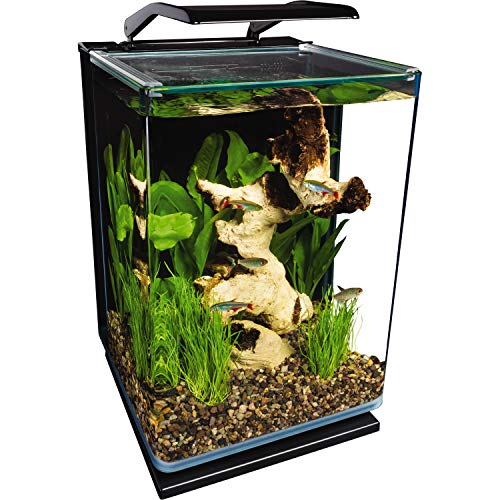
 Tetra ColorFusion 20 Gallon Complete Aquarium Kit20 gallon27.9 x 16.1 x 20.4 inches34.3 poundsCheck on Amazon

As an Amazon Associate we earn from qualifying purchases.
Choosing fish for an unheated aquarium is really a decision about temperature, not about skipping equipment. A tank without a heater follows the room around it, so the water drifts with the seasons, cools overnight, and warms on a sunny afternoon. The fish you pick must handle that swing without stress, which rules out most tropical species and narrows the field to hardy coldwater and subtropical fish that evolved in streams, ponds, and rice paddies.
This guide is for beginners setting up a first tank without a heater, for keepers in mild climates, and for anyone who wants a low-energy setup with fewer gadgets plugged into the wall. It covers seven species that thrive at room temperature, explains how to match them to your tank size and water, and flags the mistakes that turn a simple coldwater tank into a sick one.
How to Choose
Match the fish to your room temperature
Start with a thermometer in the room, not in the tank. An unheated aquarium settles within a degree or two of the air around it, so a bedroom that drops to 60 degrees at night gives you very different water than a sunlit living room that holds 74 degrees all day. Pick species whose comfortable range covers both ends of that swing, not just the average. White cloud mountain minnows, for example, stay active from the low 60s into the low 70s, while many tropical fish start to suffer below 74 degrees. If your room swings more than a few degrees between seasons, favour the hardiest species and keep the tank away from windows and exterior doors.
Size the tank to the adult fish, not the fish in the shop
A goldfish that fits in your palm at the shop can grow to the length of a hand within a couple of years, and a rosy barb that looks small in a sales tank will need far more swimming room once it fills out. Always look up the adult size before you buy, then give each fish enough open water to turn, school, and escape a pushy tank mate. A good rule is to start with the largest species on your shortlist and build the tank around it, rather than squeezing one more fish into a tank that already looks full. Overcrowding is the fastest route to poor water quality in a coldwater setup.
Check temperament and tank mates before mixing species
Peaceful does not mean compatible. A calm hillstream loach will be stressed by a boisterous barb that nips fins all day, and a paradise fish that guards a corner of the tank can terrorise slower companions in a small aquarium. Think in layers: top swimmers, mid-water schoolers, and bottom dwellers use different parts of the tank and clash less often. Keep schooling fish in groups of six or more, because a lone danio or minnow is a nervous fish that hides instead of showing its natural behaviour. Research each combination before the fish share water.
Plan for seasonal swings and water changes
Room temperature is not a fixed number, so an unheated tank needs a plan for the coldest week of winter and the hottest week of summer. In winter, move the tank away from draughty windows, add a lid to slow heat loss, and check the thermometer daily until you know how low the water falls. In summer, shade the tank from direct sun and keep the water level topped up, because warm water holds less oxygen. When you change water, match the new water to the tank temperature within a couple of degrees, since a cold shock after a warm afternoon is harder on fish than a slow seasonal drift.
Fish That Thrive Without a Heater
White Cloud Mountain Minnow
The white cloud mountain minnow is the classic unheated tank fish, and it earns that place with a tolerance for water from the high 50s into the mid 70s. These small, peaceful schoolers flash gold and red along their fins when they feel secure, and they look their best in a group of eight or more in a planted tank with gentle flow. They eat almost any small flake or frozen food, and they ignore plants, shrimp, and other peaceful tank mates. Keep them in a tank of at least 10 gallons with a tight lid, because they can jump when startled.
Zebra Danio
Zebra danios are fast, hardy, and nearly impossible to intimidate, which makes them a strong pick for a first unheated tank. They handle the same cool range as white clouds and stay active even when the water dips toward 64 degrees, darting around the top of the tank in a loose school. A group of six or more in a tank of at least 10 gallons shows off their striped pattern and constant motion. They eat readily, tolerate a wide range of water chemistry, and get along with other active coldwater fish, though their speed can unsettle very slow or long-finned companions.
Japanese Ricefish
Japanese ricefish, often called medaka, are small, calm, and surprisingly tough, thriving in water from the mid 60s to the high 70s and tolerating outdoor tubs in mild climates. They suit small tanks of 5 gallons or more, though a 10-gallon setup gives a group room to spread out and display their colours. Ricefish prefer a planted tank with a lid, since they spend much of their time near the surface and will jump. They eat small foods, breed readily in warm weather, and mix well with white clouds, shrimp, and snails in a peaceful community.
Rosy Barb
Rosy barbs bring colour and movement to a larger unheated tank, with males turning a deep pink-red during the warmer months. They need more room than the minnows and danios on this list, so plan for at least 20 gallons and a group of six or more to spread out their energy. Rosy barbs handle water from the mid 60s into the mid 70s and eat almost anything offered, from flakes to blanched vegetables. Keep them with other active fish of similar size, and avoid very slow or long-finned tank mates, because a bored barb may nip fins when kept in too small a group.
Paradise Fish
The paradise fish is one of the few showpiece fish that genuinely prefers cooler water, thriving from the mid 60s to the mid 70s and showing its best colour in a planted tank with floating plants. Males are territorial, so keep one male per tank unless the aquarium is large and heavily planted, and choose tank mates that are fast enough to dodge a chase. A 20-gallon tank with a lid suits a single paradise fish with a small group of white clouds or danios. They eat a varied diet and will also pick at small insects and larvae at the surface.
Hillstream Loach
Hillstream loaches are built for cool, oxygen-rich water, clinging to rocks and glass with a flattened body that looks like a tiny stingray. They need clean water from the mid 60s to the mid 70s, strong flow from a filter or powerhead, and smooth stones to graze on. A 20-gallon tank with good current suits a small group, and they do best alongside other cool-water fish that enjoy flow, such as danios and white clouds. They eat algae and biofilm, so let the tank mature before adding them and offer sinking foods to round out their diet.
Goldfish
Goldfish are the most famous coldwater fish of all, comfortable from the low 60s into the mid 70s and able to live for well over a decade with the right care. The key point is size: a single fancy goldfish needs at least 20 gallons, and a common goldfish needs far more, so this is a fish for a large tank or a pond rather than a desktop aquarium. Goldfish are messy eaters that produce a lot of waste, so pair them with a strong filter and a regular water-change routine. Keep them with other goldfish rather than small tropical fish, which they may harass or swallow.
Which One Fits Your Situation
A first tank in a bedroom or office
Start with white cloud mountain minnows. They forgive the temperature swings of a room that cools at night, stay small enough for a 10-gallon tank, and school peacefully where you can watch them from your desk. Add a few shrimp and a handful of hardy plants, keep the lid on, and you have a calm, low-maintenance display that asks very little of a beginner.
A lively community tank with plenty of movement
Choose zebra danios and rosy barbs together. Both species enjoy cool water, eat eagerly, and stay active all day, so the tank always feels alive. A 30-gallon tank gives the barbs room to school and the danios space to dart at the surface, while a mix of plants and open water keeps the layout interesting without crowding either species.
A small tank on a desk or shelf
Pick Japanese ricefish. They thrive in a 10-gallon planted tank, stay near the surface where they are easy to see, and cope with the gentle temperature drift of a small volume of water better than most fish. A small group with a few snails and some floating plants makes a quiet, attractive setup that fits a tight space.
A big display tank or a pond-style setup
Go with goldfish. A large tank of 40 gallons or more, or an outdoor pond in a mild climate, lets fancy goldfish grow to their full size and show off their colours. Their size and appetite make them a poor match for small tanks, but in a big setup with strong filtration they become the centrepiece the whole room gathers around.
Common Mistakes
- Buying tropical fish for an unheated tank because the shop tank looked warm enough. Most tropical species weaken quickly below 74 degrees, so check the temperature range of every species before it goes in the bag.
- Stocking a small tank with goldfish. A goldfish grows large, eats constantly, and produces far more waste than a minnow or danio, so a desktop tank turns into a polluted box within weeks.
- Skipping the thermometer. Room temperature feels steady to people, but a tank near a window or a heater vent can swing several degrees in a day, and fish feel every degree of it.
- Changing water with cold tap water straight from the tap. A sudden drop of several degrees stresses fish and weakens their immune system, so let the new water sit until it matches the tank.
- Keeping schooling fish alone or in pairs. Minnows, danios, and barbs feel exposed in tiny groups, hide constantly, and become easy targets for disease, while a proper school of six or more behaves naturally.
Top Picks for Unheated Aquarium Setups
Cool-water fish can live happily without a heater, as long as the room stays in a steady range. These kits and conditioners give you a base to start with, so confirm your species’ temperature needs first.
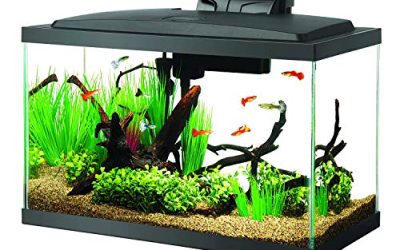
Tetra ColorFusion 20 Gallon Complete Aquarium Kit
A 20-gallon kit with a stand-ready footprint and built-in lighting. The larger water volume resists temperature swings better than a tiny tank.

Marineland Portrait 5 Gallon Fish Tank Kit
A curved-front 5-gallon kit with a filter and light. It suits a desk or shelf and a small group of cool-water fish.

EVIEUN 2.9 Gallon Small Glass Fish Tank Kit
A small glass tank that fits tight spaces. Keep stocking light, since a small volume leaves little room for error.

API Tap Water Conditioner, 16-Ounce Bottle
A popular conditioner that neutralizes chlorine and chloramine in fresh water. It is a basic supply for every water change.

API Stress Coat Aquarium Water Conditioner
A conditioner designed to help fish handle stress from moves and netting. It suits new arrivals settling into a tank.

Frequently Asked Questions
Do unheated aquariums need a thermometer?
Yes, a thermometer is essential even without a heater. Room temperature changes with the weather, the time of day, and whether the heating is on, so the tank temperature moves with it. A simple stick-on or glass thermometer lets you spot a cold snap or a heatwave before the fish show stress, and it tells you whether the water you add during a change matches the tank.
How cold is too cold for fish in an unheated tank?
It depends on the species, but most fish on this list stay comfortable down to about 60 degrees, and white clouds tolerate the high 50s for short spells. Below that range, fish slow down, eat less, and become vulnerable to illness. If your room regularly falls below 60 degrees in winter, choose the hardiest species or add a heater for the coldest months.
Can tropical fish live in an unheated aquarium?
Most tropical fish cannot, because they evolved in water that stays warm all year and they weaken quickly below 74 degrees. A few subtropical species, such as the ones in this guide, handle cooler water well, but common tropical fish like guppies, tetras, and angelfish need a heater to stay healthy. Always check the natural temperature range of a species before buying.
How often should I change water in an unheated tank?
Change about a quarter of the water every week for most coldwater tanks, and more often if you keep goldfish, which produce a lot of waste. Cold water holds oxygen well, but waste still builds up, so regular changes keep ammonia and nitrate low. Always match the new water to the tank temperature, and use a dechlorinator to remove chlorine from tap water.
More from Amazon
Programs that pair well with the guide above. Offers and eligibility are set by Amazon and may change.
Set up recurring deliveries of everyday items on eligible products. Terms and savings are set by Amazon.
Explore Subscribe & SaveFree shipping on eligible items, Prime Video and more. Eligible new members can start with a free trial.
Start a Prime free trialAudiobooks and podcasts to listen to on the go. Eligible new members can start with a free trial.
Try Audible freeRead from a large library of eBooks and audiobooks on any device. Check Amazon for current plans.
Explore Kindle UnlimitedAs an Amazon Associate we earn from qualifying purchases.

Write Your Review
No reviews yet. Be the first to share your experience!