
Our Top Picks


As an Amazon Associate we earn from qualifying purchases.
Choosing a fish by how long it can live changes every other decision in the hobby. A species with a two-year lifespan forgives a beginner setup and asks for little commitment, while a fish capable of reaching twenty or thirty years will outlive several tanks, filters and house moves. The real question is not which species holds the longevity record, but which long-lived fish matches the tank you can actually maintain, week after week, for the next decade or more.
This guide is for keepers who want a stable, long-term community rather than a constantly rotating stock list. It explains how to read lifespan figures honestly, compares the best-known long-lived freshwater species with the tank sizes and care routines they genuinely need, and covers the pairing mistakes that quietly cut those lifespans short. Every figure below is an expected range under good home care, not a guarantee.
How to Choose
Match the lifespan to your real commitment
Start by deciding how many years of care you are honestly offering. A bronze corydoras that can reach twenty years is a wonderful anchor for a community tank, but only if you expect to still be keeping fish when it is old enough to vote. Renters who move every couple of years, or keepers who like redesigning their stock list each season, may be happier with mid-range species in the eight-to-twelve-year bracket, such as angelfish or bristlenose plecos. Longevity is a feature only when your plans are at least as durable as the fish.
Separate record lifespans from typical lifespans
Published lifespan numbers mix three very different things: wild longevity, record ages in exceptional home tanks, and what an average keeper actually sees. Common goldfish are the classic example — the species can pass forty years, yet most home-kept fish die within five because the tank was too small. When you compare species, plan around the realistic home range in this guide and treat anything above it as a bonus. A species whose typical lifespan is ten years in ordinary care beats one whose headline figure depends on perfect conditions almost nobody sustains.
Size the tank for the adult, not the juvenile
Long-lived fish are usually bought small and lost early because the tank was chosen for the fish in the shop bag. Clown loaches sold at two inches can eventually pass twelve; an oscar that fits a starter tank will need a large aquarium of its own within two years. Before falling for a species, note its adult length, then choose a tank that suits that size with room to spare. Fish kept in undersized tanks rarely die suddenly — they stall, stress, and fade years before their time, which is exactly the outcome a longevity-focused keeper wants to avoid.
Build the routine the species will need for decades
Reaching an old age is mostly about boring consistency: stable temperature, zero ammonia, moderate nitrate, and food that matches the species. Long-lived bottom dwellers such as loaches and corydoras are especially sensitive to neglected substrate and sharp swings in water chemistry, while goldfish punish weak filtration with sheer waste output. Choose species whose weekly routine — water change volume, feeding style, temperature band — fits the schedule you already keep. The best longevity plan is the one that still works in year nine, when the novelty has worn off.
Long-Lived Freshwater Species Worth Knowing
Common and fancy goldfish: 15 to 25 years
No common aquarium fish outlives a well-kept goldfish. Single-tailed commons and comets routinely pass twenty years in spacious tanks and can go far beyond that in ponds, while fancy varieties such as orandas and ranchus typically reach ten to fifteen years. The catch is space and filtration: a common goldfish needs a large tank, ideally 40 gallons or more for the first fish, and fancies need roughly 20 to 30 gallons each with gentle flow. Keep the water cool to room temperature, feed a varied diet with vegetable matter, and never house them in a bowl.
Clown loach: 20 years and beyond
Clown loaches are among the longest-lived tropical community fish, with twenty years a realistic expectation and older individuals well documented. They are also one of the most commonly mis-sold: juveniles stay small for years, then grow steadily toward a foot long. Plan on a group of at least five or six, a tank of 125 gallons or more for adults, warm water in the upper tropical range, and soft substrate with hiding places. They are peaceful, social and sensitive to poor water quality and medication, so a stable, mature tank matters more than any single piece of equipment.
Corydoras catfish: 15 to 25 years
Several corydoras species are quietly some of the longest-lived small fish in the hobby. Bronze and peppered corydoras are regularly reported in the fifteen-to-twenty-year range, and well-kept groups can go further. They stay small, school happily in groups of six or more, and fit tanks from 20 gallons upward, which makes them the easiest route to a genuinely long-lived community. Give them sand or smooth fine gravel to protect their barbels, feed sinking foods after lights-out so food actually reaches them, and keep up with water changes — longevity in corys tracks water quality closely.
Bristlenose pleco: 10 to 15 years
The bristlenose pleco is the long-lived algae eater most tanks can actually accommodate. Expect ten to fifteen years from a healthy fish, with some keepers reporting longer. Unlike the common pleco, which outgrows almost every home aquarium, a bristlenose stays around five to six inches and suits a 30-gallon tank. It needs driftwood to graze, a cave or two to claim, and vegetables or algae wafers beyond whatever algae the tank provides. Males can be territorial with each other, so one male per tank is the safe arrangement in smaller setups.
Angelfish: 10 to 15 years
Angelfish combine a decade-plus lifespan with real presence, reaching ten to fifteen years in stable water. They need height as much as length — a tall tank of 30 gallons or more for a pair — because their fins and eventual six-inch body depth suffer in shallow setups. Angelfish are cichlids, so temperament varies by individual: pairs can bully tankmates, and they will eat very small fish such as young tetras. Kept with suitably sized companions in soft, warm, consistent water, they become calm, personable fish that reward the keeper for many years.
Oscar: 15 to 20 years
Oscars are the heavyweight option on this list, living fifteen to twenty years and growing to twelve inches or more of solid, intelligent fish. One oscar needs at least 75 gallons, heavy filtration, and decor that cannot be rearranged or swallowed — which it will attempt anyway. They recognise their keeper, beg shamelessly, and produce a waste load closer to a goldfish than a typical tropical fish. An oscar is a genuine long-term pet rather than a community member, and that single-fish commitment is exactly why the keepers who plan for it tend to succeed.
Kuhli loach: 10 to 15 years
Kuhli loaches offer loach longevity without the clown loach’s eventual size. Expect ten to fifteen years from a settled group in a mature tank of 20 gallons or more. They are nocturnal, eel-like bottom dwellers that do best in groups of six or more, with sand to burrow in and dense cover to hide under during the day. Because they are shy feeders, target sinking foods near their hiding spots in the evening. A tight-fitting lid is essential — kuhlis are accomplished escape artists, and more of them are lost through gaps than through illness.
Which One Fits Your Situation
You want a long-lived community in a modest tank
Build around corydoras and a bristlenose pleco. A group of bronze corydoras in a 30- to 40-gallon tank gives you fish that can still be with you in twenty years, the pleco adds a decade-plus algae eater, and both tolerate the peaceful mid-water species most keepers add later. Kuhli loaches are the third anchor if the tank has sand and cover. This combination asks for ordinary tropical temperatures and weekly water changes — nothing exotic, sustained for a long time.
You have a large tank and want fish with presence
Clown loaches and angelfish reward big aquariums in different ways. A school of clown loaches becomes the social centre of a 125-gallon-plus tank and can anchor it for two decades or more. Angelfish suit tall display tanks where a bonded pair can hold territory without crowding smaller fish. Either choice beats stocking several short-lived species in rotation, because the tank matures around residents that stay, and behaviour becomes predictable instead of resetting with every new arrival.
You keep an unheated or cool-water setup
Goldfish are the obvious answer, and the only one on this list that actively prefers cooler water. A pair of fancy goldfish in a well-filtered 40-gallon tank can be a fifteen-year project, while single-tailed varieties belong in still larger tanks or ponds. Resist mixing them with tropical species that need warmth, and resist the feeder-fish bargain bin: cheap commons are often already stunted or sick, which shortens the very lifespan you chose them for.
You want one pet fish rather than a community
Choose an oscar, and choose it deliberately. A single oscar in a 75-gallon tank with serious filtration is a fifteen-to-twenty-year relationship with a fish that learns feeding routines and recognises people. The trade-off is exclusivity — tankmates are limited, plants rarely survive, and the water change schedule is non-negotiable. If that sounds appealing rather than restrictive, no other species here matches an oscar for personality per fish.
Common Mistakes
- Buying the fish for its record lifespan, then housing it for its shop size. Clown loaches in 30-gallon tanks and common plecos in starter setups are the classic casualties; the tank must fit the adult from day one, or be a planned, dated upgrade.
- Mixing lifespans and temperaments carelessly. Long-lived fish still get rehomed when a pairing fails: angelfish with tiny tetras, male bristlenose plecos fighting over one cave, or a growing oscar left with community fish it will eventually eat.
- Chasing perfect water instead of stable water. Frequent large swings in temperature, pH or hardness while chasing an ideal number stress fish more than a slightly imperfect but constant reading. Long-lived species reach old age in stable tanks, not fluctuating ones.
- Underfeeding bottom dwellers by accident. Corydoras, loaches and plecos often get only what falls from above. Years of marginal nutrition shorten lives quietly; feed the bottom of the tank deliberately, after the lights dim if needed.
- Assuming a long-lived fish is a hardy fish. Longevity potential and tolerance of neglect are different things. Loaches react badly to medication and dirty substrate, discus-grade stability helps angelfish, and goldfish in small volumes poison themselves with their own waste.
Top Picks for Long-Life Fish Setups
Long-lived fish do best in a stable, properly sized home. These tank kits and water-care items help you build a steady setup, but check the adult size of any species before choosing a tank.
Tetra Half-Moon 3 Gallon Starter Fish Tank Kit
A starter kit with a flat back that sits neatly against a wall. It suits small, hardy fish that stay compact.

NICREW 2.5 Gallon Nano Nature Aquarium Kit, Betta Fish Tank
A nano kit with a clean look that works for a single betta. Small tanks need frequent water checks, so keep a routine.

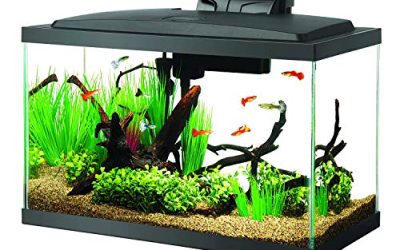
Tetra LED 10 Gallon Complete Fish Tank Kit
A 10-gallon kit with lighting included. The extra volume holds water quality steadier than the smaller kits above.

Seachem Prime Water Conditioner, 500 ml
A concentrated conditioner that handles chlorine and chloramine in tap water. A little goes a long way, which suits regular water changes.

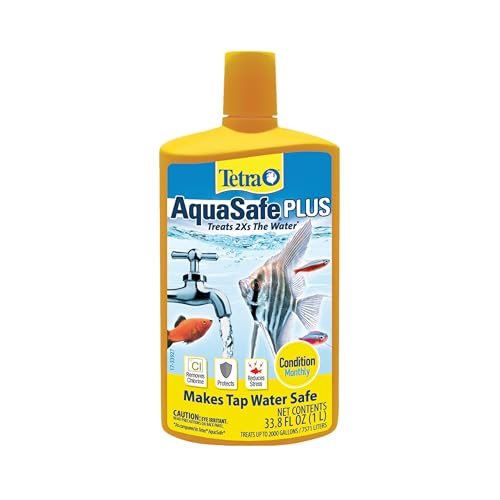
Tetra AquaSafe Plus Water Conditioner and Dechlorinator
A widely used conditioner that makes tap water safe for fish. It is easy to dose and a good first bottle for new owners.
Frequently Asked Questions
Which aquarium fish lives the longest?
The common goldfish is the longest-lived widely kept aquarium fish, with well-documented individuals passing forty years and twenty-plus years a realistic goal in a large, well-filtered tank or pond. Among tropical species, clown loaches and some corydoras and synodontis catfish lead, with lifespans that can reach twenty to thirty years under stable, spacious conditions. In every case, the record figures come from keepers who provided adult-sized housing from the start.
Do fish really live shorter lives in small tanks?
Yes, and the mechanism is ordinary rather than mysterious. Small volumes swing faster in temperature and chemistry, waste concentrates between water changes, and growing fish experience chronic low-level stress that suppresses immunity. The fish often survives for years, which makes the problem easy to miss — it simply never approaches its potential lifespan. A common goldfish dying at five in a small tank has not disproved the species’ longevity; it has demonstrated the housing limit.
Can long-lived species share a tank with short-lived ones?
They can, provided temperaments, temperatures and adult sizes are compatible. A corydoras group will happily outlive several generations of small tetras, and that is a perfectly workable community design. What fails is pairing by lifespan alone: a long-lived angelfish still eats neon-sized fish, and a long-lived oscar still claims its whole tank. Match behaviour and water needs first, then enjoy the fact that some residents will remain while others rotate.
How do I help my fish actually reach its expected lifespan?
Do the unglamorous things consistently: keep ammonia and nitrite at zero, nitrate modest, and temperature steady; feed a varied diet sized to the species, including deliberate food for bottom dwellers; and change water on a schedule rather than when the tank looks dirty. Quarantine new arrivals so one purchase cannot infect decade-old residents. Most fish that reach old age do so in tanks with an unremarkable, repeatable routine that the keeper maintained for years.
More from Amazon
Programs that pair well with the guide above. Offers and eligibility are set by Amazon and may change.
Set up recurring deliveries of everyday items on eligible products. Terms and savings are set by Amazon.
Explore Subscribe & SaveFree shipping on eligible items, Prime Video and more. Eligible new members can start with a free trial.
Start a Prime free trialAudiobooks and podcasts to listen to on the go. Eligible new members can start with a free trial.
Try Audible freeRead from a large library of eBooks and audiobooks on any device. Check Amazon for current plans.
Explore Kindle UnlimitedAs an Amazon Associate we earn from qualifying purchases.

Write Your Review
No reviews yet. Be the first to share your experience!