

The best aquascaping tools are long stainless steel tweezers, a pair of curved scissors, a substrate spatula and, for beginners, a complete kit that bundles them in a case. The right tools let you plant, trim and arrange without constantly putting your hands in the water and disturbing the layout. Below are six products and kits worth considering, based on specifications and reviewer feedback.
Quick Comparison
| Pick | Best for | Key feature |
|---|---|---|
| ADA Pro-Scissors Wave Type | Precision trimming of stem plants and carpets | Wave-shaped blades that hold plant stems |
| ADA Pro-Pinsette Straight | Planting and moss placement | Long, fine-tipped stainless tweezers |
| Hygger Aquascape Tool Kit | Beginners who want one case | Scissors, tweezers, spatula and more |
| Kollea Aquascaping Tool Kit | Mid-size planted tanks | Straight and curved tools in a roll case |
| Loctite Super Glue Gel Control | Attaching moss and epiphytes to hardscape | Gel formula that does not run |
| Fluval Aquarium Plant Scissors | Budget single-tool trimming | Simple stainless scissors |
What You Actually Need
An aquascaper’s basic set is smaller than most kits suggest. Long tweezers do most of the planting, curved scissors do most of the trimming, and a spatula or small rake shapes substrate. Beyond that, tools such as tongs, wave scissors and bent tweezers handle jobs in deeper or more crowded tanks. If you own a nano tank, shorter tools are easier to control; if your tank is 24 inches deep, long tools of 10 inches or more save your sleeves. Stainless steel resists rust, but rinse tools after use and dry them to keep them sharp.
1. ADA Pro-Scissors Wave Type
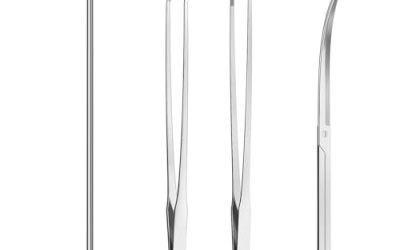
ADA’s wave scissors are a favorite for trimming carpeting plants and stems cleanly. The wavy blade design holds cut stems so they do not float all over the tank, which makes cleanup easier. They are premium priced and need careful drying to maintain the edge, and they are overkill for a single small tank. If you scape often and want precise cuts, they are an investment that pays off.
ADA Pro-Scissors Wave Type
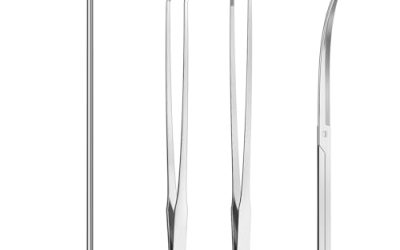
2. ADA Pro-Pinsette Straight
These long stainless tweezers have a fine tip for placing individual stems and moss. The tips grip without crushing, which helps when planting delicate foreground plants. The downside is cost, and thin tips can bend if you use them to pry rocks. Handle them as precision tools rather than pliers. If you like the idea but want to spend less, a kit can offer similar shapes at lower cost.
ADA Pro-Pinsette Straight tweezers
3. Hygger Aquascape Tool Kit
For beginners, a multi-piece kit takes the guesswork out of buying. Hygger’s kit includes the basics such as straight and curved tweezers, scissors and a spatula, often with a storage case. Quality is functional rather than refined: edges may be less sharp and tips less precise than premium tools. It is still a smart, low-risk way to start, and you can upgrade individual pieces later.
Hygger Aquascape Tool Kit
4. Kollea Aquascaping Tool Kit
Kollea’s kit is popular for its range of shapes and a roll-up case that keeps everything organized. It suits 20 to 75 gallon tanks, where you need reach and different angles. Reviewers note that fit and finish vary a bit, so inspect tools when they arrive, and wipe them dry after every use. A reasonable mid-level choice.
Kollea Aquascaping Tool Kit
5. Loctite Super Glue Gel Control
Cyanoacrylate gel is the standard way to attach moss, anubias and java fern to rock and wood. The gel formula stays where you put it, even on wet surfaces. It is widely used in the hobby when applied sparingly and cured quickly, but make sure the product is the gel type without additives and keep it away from fish until it sets. It is not a tool in the strict sense, but it is essential for hardscape work.
Loctite Super Glue Gel Control
6. Fluval Aquarium Plant Scissors
If you want a single pair of scissors without a full kit, a straightforward stainless pair like this does the job. It is suited to light trimming in smaller tanks and is easy to replace. Expect basic blades and a less comfortable grip than premium tools. A fine backup pair to keep near the tank.
Fluval Aquarium Plant Scissors
How to Choose
- Length: match tool length to tank depth; tools should reach the bottom without your wrist entering the water.
- Material: stainless steel resists rust, which matters in water.
- Shape: curved scissors reach around hardscape; straight tweezers are better for planting.
- Kit vs single tools: kits save money; individual tools give higher quality for key items.
- Care: rinse and dry after each use, and avoid cutting hard objects.
A Simple Planting Routine
Lower the water level a little before planting, so the substrate is not floating in a deep column. Use tweezers to grasp stems just above the base, push them into substrate at a slight angle, and release. For carpeting plants, plant small clumps spaced a few centimeters apart, working back to front so you do not trample finished areas. After planting, top up the water slowly, pouring onto a plate or bag to avoid disturbing the substrate. Trim in small steps, taking off no more than a third of a plant at once.
Common Mistakes
Many beginners buy a giant kit of 20 pieces and use three of them. Others pick tools that are too short for deep tanks, leading to wet sleeves and disturbed substrate. Some use household scissors that rust, and some ignore cleaning, which leaves residue on tools. And finally, a lot of new scapers skip planning the layout; no tool can fix an unplanned scape.
Building the Set Over Time
A sensible way to buy is in stages. Start with a tweezers and scissors pair, or an affordable kit, and use them for a few months. You will quickly discover what you reach for and what you ignore. If your tweezers feel flimsy, replace them with a better pair; if you keep wishing for a different angle on your scissors, add a curved or wave pair. Add a spatula or substrate shaper once you start building slopes, and a small set of tongs if you work in a deep tank.
Other items to consider are a glass cleaning blade, a small bucket reserved for the tank, a lint-free cloth and a spray bottle for keeping moss damp while you attach it to wood. These are not glamorous, but they save time. If you enter aquascaping contests or maintain a large layout, premium tools make sense because you will use them often. For a casual tank, mid-range tools last for years if you dry and store them properly.
Frequently Asked Questions
What is the one tool I should buy first?
A long pair of stainless tweezers. They handle planting, moss and small adjustments.
Do I need curved or straight scissors?
Curved scissors are more versatile for trimming around hardscape. Straight scissors are fine for open areas.
Is it safe to use super glue in an aquarium?
Gel cyanoacrylate is widely used for attaching plants once cured, but apply it sparingly and keep it away from fish while setting.
How do I keep my tools from rusting?
Rinse them, dry them and store them in a dry case. Stainless is rust-resistant, not rust-proof.
Conclusion
You do not need dozens of gadgets to scape well. A good pair of tweezers, a pair of scissors and a spatula cover most jobs, and a kit is a fair way to begin. Upgrade the tools you use the most, care for them, and let practice do the rest.
As an Amazon Associate we earn from qualifying purchases.
More from Amazon
Programs that pair well with the guide above. Offers and eligibility are set by Amazon and may change.
Set up recurring deliveries of everyday items on eligible products. Terms and savings are set by Amazon.
Explore Subscribe & SaveFree shipping on eligible items, Prime Video and more. Eligible new members can start with a free trial.
Start a Prime free trialAudiobooks and podcasts to listen to on the go. Eligible new members can start with a free trial.
Try Audible freeRead from a large library of eBooks and audiobooks on any device. Check Amazon for current plans.
Explore Kindle UnlimitedAs an Amazon Associate we earn from qualifying purchases.
Write Your Review
No reviews yet. Be the first to share your experience!