

Key takeaways
- Aquascaping styles are different design philosophies for arranging stone, wood, plants and open water inside a tank: Iwagumi is a calm.
Aquascaping styles are different design philosophies for arranging stone, wood, plants and open water inside a tank: Iwagumi is a calm, stone-led layout, the Dutch style is a dense garden of colorful stem plants, and the Nature style recreates a slice of landscape such as a hillside, forest floor or riverbank. Pick the one that matches the amount of maintenance you will realistically do, because the style decides how often you trim, how much light you need and how forgiving the tank is when something goes wrong.
Most beginners choose a style by looking at a finished photo and then discover that the tank in the photo is a weekly trimming job. This guide explains how each major style is built, what it demands in plants, hardscape and time, and which one suits a first planted tank in 2026. It also covers a few lesser-known styles so you can mix ideas without ending up with a layout that has no clear identity.
What an Aquascaping Style Actually Controls
A style is not decoration; it is a set of rules. Those rules decide how many focal points you allow, what proportions the hardscape follows, how plants are grouped and how much of the glass should stay empty. When a tank looks messy, the usual cause is that two sets of rules were mixed by accident, for example tall stem plants crowding a stone arrangement that was meant to feel open.
Three factors do most of the work. Hardscape is the stone and wood that gives the layout its skeleton. Plant selection sets color, texture and growth speed. Negative space, the area left open on purpose, controls whether the tank feels calm or busy. Every style below is a different balance of those three.
The Three Core Styles
Iwagumi: Stone-Led Minimalism
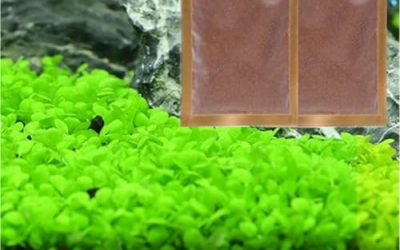
Iwagumi comes from Japanese rock-garden design. It uses an odd number of stones, traditionally three, five or seven, with one dominant stone (the oyaishi) and smaller companions placed to suggest scale and balance. Planting is deliberately restrained: usually a single carpeting species covering the floor, sometimes with a second low plant at the edges. The result looks quiet and spacious.
The trade-off is that nothing hides mistakes. Algae on a bare carpet, a stone placed slightly off balance or an uneven plant carpet is visible from across the room. Iwagumi rewards patience and a steady routine more than it rewards plant knowledge.
Dutch: The Underwater Flower Garden
The Dutch style treats the tank like a terraced garden. Plants are arranged in distinct groups called streets, with contrasting leaf shapes, heights and colors placed side by side. Wood and stone play a minor role or none at all; the plants are the design. Expect many species, frequent pruning and careful attention to nutrients and light.
It is the most demanding of the three in terms of routine. Stem plants grow quickly and need regular trimming and replanting to keep the streets crisp. In return it is the most colorful style and tolerates a large tank well, since a long tank gives more room for streets to develop.
Nature Style: A Landscape in Glass
The Nature style, popularized by Takashi Amano, copies natural scenery rather than following strict counting rules. Common layouts include a mountain with a valley, a forest with a clearing or a riverbank with overhanging roots. It borrows from both of the other styles: wood and stone create structure, while plants soften the edges.
Its main design tools are depth and proportion. Larger elements sit toward the front or one side, smaller details recede, and a gentle focal point usually sits at about two-thirds of the tank width. It is flexible and forgiving, which is why many hobbyists begin here.
Other Styles Worth Knowing
Beyond the big three, several styles appear regularly in contests and hobby forums. They are useful as sources of ideas even if you never follow them strictly.
- Jungle: a deliberately wild tank with large, fast-growing plants and little trimming. It is the easiest to maintain and the most relaxed about rules.
- Biotope: a layout that reproduces one real habitat, with only the plants, substrate and fish found there. Accuracy matters more than looks.
- Dutch-Nature hybrid: grouped plants with a few pieces of wood or stone as anchors, a practical compromise for mid-size tanks.
- Paludarium and riparium: designs that extend above the waterline, mixing aquatic and land plants.
Style Comparison at a Glance
| Style | Hardscape role | Plant variety | Trimming effort | Good first tank? |
|---|---|---|---|---|
| Iwagumi | Dominant, strict placement | Very low | Low, but carpet care is precise | Only for patient beginners |
| Dutch | Minor or absent | Very high | High, often weekly | Rarely |
| Nature | Structural, flexible | Moderate | Moderate | Yes |
| Jungle | Optional | Moderate, large species | Low | Yes |
| Biotope | Habitat-specific | Low to moderate | Low | Yes, with research |
Practical Design Principles That Apply to Every Style
Use Proportions Instead of Guesswork
The rule of thirds works well: place the main focal point near a line one-third from either side rather than in the center. A golden-ratio placement is similar. Symmetry tends to look static, so most tank designers deliberately avoid it unless the style demands it.
Choose Hardscape Before Plants
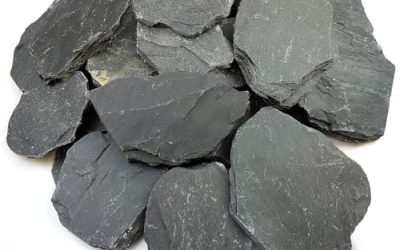
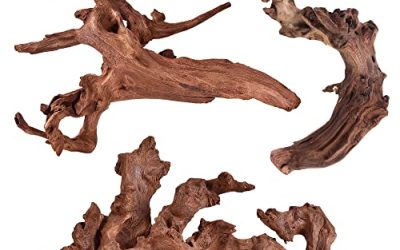
Arrange stone and wood on a dry tabletop or inside the empty tank first, adjust until the shape looks balanced from the front, and only then add substrate. Moving a large rock after plants have rooted disturbs everything around it. Keep rock types consistent; mixing very different colors and grain patterns makes a layout look accidental.
Plan Plant Heights in Three Zones
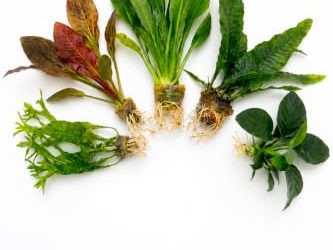
Foreground plants stay low, midground plants fill the transition and background plants hide equipment and add height. Matching growth rate to zone matters more than the species name: a fast stem plant in the foreground will bury the carpet within weeks.
Respect Negative Space
Open water gives the eye somewhere to rest. A common error is filling every gap because the tank looks empty on day one. Plants grow, and a tank that looks sparse at setup is usually correct.
Choosing a Style for Your Situation
Match the style to your routine first and your taste second. If you can spend a few minutes every day but not much longer on weekends, Nature or Jungle will keep up with you. If you enjoy detailed work and a precise weekly session, Dutch becomes rewarding. If you want a calm look with the fewest species to learn, Iwagumi works as long as you accept that algae control must be consistent.
Tank size also matters. Very small tanks make Dutch layouts cramped, while a long, shallow tank shows off an Iwagumi stone arrangement well. Lighting and carbon dioxide needs vary by plant, so confirm requirements for the species you plan to grow instead of assuming one setup suits every layout.
Before You Start
- Decide how much time you will spend on maintenance each week and choose a style that fits it.
- Sketch the layout from the front and from above, marking focal points and open areas.
- Pick one rock type and one wood type rather than several.
- List the plants for foreground, midground and background before buying any of them.
- Check that your lighting and substrate suit the plants you chose.
- Cycle the tank before adding livestock, and add fish gradually.
Related guides
- Canister Filter For 55 Gallon Freshwater Tank
- Programmable App Controlled Aquarium Lights
- Beneficial Bacteria Starters For Aquariums
Frequently Asked Questions
Which aquascaping style is easiest for beginners?
The Nature style and the Jungle style are usually the most forgiving. They tolerate uneven growth, they do not demand exact stone counts and a few weeks of neglect will not ruin the look.
Do I need carbon dioxide injection for these styles?
Not always. Low-demand plants in a Nature or Jungle layout can grow without it. Dense carpets and many red stem plants often do better with added carbon dioxide, so the answer depends on the species you choose.
Can I combine Iwagumi and Dutch ideas in one tank?
You can, but keep one idea dominant. A common approach is a stone-led layout with a single group of colorful stems as a deliberate accent. Equal amounts of both usually look confused.
How long does a new aquascape take to look mature?
Plants usually need several weeks to root and several months to fill in. Carpets and moss take the longest, so judge the result after the plants have settled rather than in the first month.
More from Amazon
Programs that pair well with the guide above. Offers and eligibility are set by Amazon and may change.
Set up recurring deliveries of everyday items on eligible products. Terms and savings are set by Amazon.
Explore Subscribe & SaveFree shipping on eligible items, Prime Video and more. Eligible new members can start with a free trial.
Start a Prime free trialAudiobooks and podcasts to listen to on the go. Eligible new members can start with a free trial.
Try Audible freeRead from a large library of eBooks and audiobooks on any device. Check Amazon for current plans.
Explore Kindle UnlimitedAs an Amazon Associate we earn from qualifying purchases.

Write Your Review
No reviews yet. Be the first to share your experience!