

The best CO2 system for a planted aquarium is a pressurized kit with a quality regulator, a solenoid valve on a timer, a needle valve and an inline or in-tank diffuser, sized to your tank. CO2 is what lets high-light planted tanks avoid algae, but it demands care: too little limits growth, and too much harms fish. These systems and components are widely used, based on specifications and reviewer feedback.
Comparison Table
| Pick | Best for | Key feature |
|---|---|---|
| Fluval Pressurized 20 oz CO2 System | Beginners on tanks up to about 90 gallons | Complete kit with a refillable cylinder |
| Fluval Pressurized 20 oz CO2 Kit Regulator and Diffuser | Pairing with an existing cylinder | Add-on parts |
| Fzone CO2 Regulator with Solenoid | Budget-friendly DIY setups | Dual gauge, solenoid valve, needle valve |
| Up Aqua Inline CO2 Atomizer | Efficient diffusion on canister filters | Inline atomizer for fine mist |
| Milwaukee MA957 CO2 Regulator | Reliable, long-term regulation | Durable build with precise control |
| Fluval CO2 Drop Checker | Visual monitoring | Color-changing indicator |
Is CO2 Necessary?
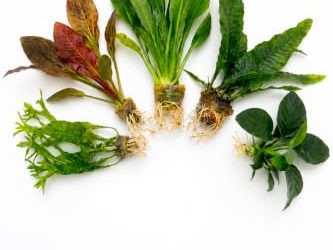
Not for every planted tank. Low-light tanks with slow growers such as anubias, java fern and cryptocoryne can thrive without it. CO2 becomes important when you add stronger lighting and demanding plants, such as carpeting species or red stem plants. It improves growth and helps plants outcompete algae. The tradeoff is cost, complexity and the need to monitor fish behavior. Start with a small, controlled setup, and increase gradually rather than jumping straight to a high injection rate.
1. Fluval Pressurized 20 oz CO2 System
This is a complete starter system, including a refillable cylinder, regulator, bubble counter and diffuser. It simplifies the buying decision for beginners and has a solid reputation for ease of use. The cylinder is compact, so it suits tanks up to a moderate size. Some hobbyists outgrow the included diffuser and replace it with an inline atomizer. It also needs a local refill option, so check availability before buying.
Fluval Pressurized 20 oz CO2 System
2. Fluval Pressurized CO2 Regulator and Diffuser Kit
If you already own a cylinder or plan to attach a different tank, a regulator and diffuser kit is a sensible buy. It gives you the control components and tubing without paying for a cylinder you do not need. The downside is that you must verify compatibility with your cylinder’s valve type before ordering. Good for hobbyists who like to mix and match parts.
Fluval CO2 regulator and diffuser kit
3. Fzone CO2 Regulator with Solenoid
Fzone’s regulator includes a solenoid valve and needle valve at a modest price, making it a popular choice for DIY tank builders. The solenoid lets you shut off CO2 at night with a timer, which is both safer and more efficient. Reviewers report mixed long-term reliability, so inspect fittings, use leak-test solution, and avoid overtightening. A decent budget pick when paired with careful setup.
Fzone CO2 regulator with solenoid
4. Up Aqua Inline CO2 Atomizer
An inline atomizer sits in the output line of a canister filter and dissolves CO2 into very fine mist, which means less gas escapes at the surface. It is efficient and keeps the tank free of a visible diffuser. The tradeoff is that it must match your hose size and can clog if the filter output is dirty. A great upgrade for canister-filtered tanks.
5. Milwaukee MA957 CO2 Regulator
Milwaukee regulators are known for solid construction and smooth control. The MA957 is a common recommendation for hobbyists who plan to run a CO2 system for years and want something stable. It costs more than basic budget units, and you will still need a cylinder and diffuser. Consider it if you hate fiddling with drifting pressure.
6. Fluval CO2 Drop Checker
A drop checker is a small glass indicator that changes color with dissolved CO2. It is a simple way to check whether you are roughly in the right range, though it lags by an hour or so. Use it alongside fish behavior, not as a sole guide. A very cheap but valuable accessory.
How to Choose
- Tank size: small tanks suit 20 oz cylinders; larger tanks need bigger cylinders.
- Regulator quality: stability matters; look for dual gauges and a reliable needle valve.
- Diffusion: inline atomizers or ceramic diffusers improve efficiency.
- Control: a solenoid on a timer prevents overnight overdosing.
- Monitoring: add a drop checker and watch fish behavior.
Starting Safely
Begin with a very low bubble rate and a short injection window, turning CO2 on an hour before lights and off an hour before they shut off. Increase slowly over several days while observing fish. Signs of excess CO2 include gasping at the surface, lethargy and clustering near the filter output. If you see them, turn off the gas, increase surface agitation and perform a water change. Increase aeration at night if your plants and fish seem stressed. Test pH and KH to estimate dissolved CO2 and keep a log.
Common Mistakes
Many hobbyists crank up the bubble count on day one, then lose fish. Others run CO2 at night without surface agitation, leading to low oxygen. Poorly seated fittings leak gas, and the cylinder empties faster than expected. Forgetting to tie CO2 to the lighting schedule is also common. And finally, injecting CO2 without adequate light and nutrients wastes gas and invites algae.
Budget Planning and Running Costs
The upfront cost of a CO2 system is only part of the picture. You also need refills or exchanges, replacement tubing and check valves, and eventually a new diffuser or regulator seal. Compare how easy it is to refill a cylinder where you live: a local welding supply or aquarium store that refills for a small fee changes the economics dramatically. Larger cylinders cost more at first but reduce the number of trips.
Think about the full chain: cylinder, regulator, solenoid, needle valve, bubble counter, check valve, tubing and diffuser. A weak link anywhere makes the system unreliable. Many hobbyists start with a complete kit and replace parts one at a time, which works well. Always keep a spare check valve and a few feet of tubing, since a failed check valve can let water back into the regulator. Finally, secure the cylinder upright in a stand or strap so it cannot fall, and keep it away from heat sources.
Frequently Asked Questions
Do I need CO2 for a planted tank?
Not always. Low-tech tanks can thrive without it. Higher light and demanding plants benefit from it.
Is CO2 dangerous for fish?
Too much is. Start low, observe, and use surface agitation to keep oxygen high.
How long does a cylinder last?
It depends on tank size, bubble rate and cylinder volume. Plan to refill every few weeks to months.
Can I use DIY yeast CO2?
It works for small tanks but is inconsistent. A pressurized system provides better control.
Conclusion
A pressurized CO2 system, with a good regulator, solenoid and diffuser, is the foundation of a lush planted tank. Start with a complete kit if you are new, upgrade the weak links over time, and move slowly. Balanced light, CO2 and nutrients win over any gadget.
As an Amazon Associate we earn from qualifying purchases.
More from Amazon
Programs that pair well with the guide above. Offers and eligibility are set by Amazon and may change.
Set up recurring deliveries of everyday items on eligible products. Terms and savings are set by Amazon.
Explore Subscribe & SaveFree shipping on eligible items, Prime Video and more. Eligible new members can start with a free trial.
Start a Prime free trialAudiobooks and podcasts to listen to on the go. Eligible new members can start with a free trial.
Try Audible freeRead from a large library of eBooks and audiobooks on any device. Check Amazon for current plans.
Explore Kindle UnlimitedAs an Amazon Associate we earn from qualifying purchases.

Write Your Review
No reviews yet. Be the first to share your experience!