

The best substrate for a planted aquarium is a nutrient-rich aquarium soil for demanding plants and shrimp, or an inert sand or gravel supplemented with root tabs for low-tech setups. Your choice depends on the plants you want, your water chemistry and how much you value ease. Here are six widely used options, with notes based on specifications and reviewer feedback.
Quick Comparison
| Pick | Best for | Key feature |
|---|---|---|
| ADA Aqua Soil Amazonia | High-end planted layouts | Nutrient-rich, tends to soften water and lower pH |
| Fluval Stratum | Plants and shrimp, natural look | Lightweight volcanic substrate |
| Seachem Flourite | Long-term planted base | Clay gravel that does not break down |
| CaribSea Eco-Complete | Beginner planted tanks | Pre-fertilized black substrate |
| CaribSea Tahitian Moon Sand | Dark, smooth sand for fish and foreground | Inert sand, pairs with root tabs |
| Seachem Flourish Tabs | Feeding roots in inert substrates | Fertilizer tablets for root feeders |
Active vs Inert Substrates
Active substrates, such as aquarium soils, contain nutrients and often buffer water toward softer, slightly more acidic conditions. They give plants an excellent start but eventually deplete and may release ammonia in the first weeks, so you should plan for early water changes. Inert substrates, such as sand or plain gravel, do not feed plants. You add root tabs and liquid fertilizers, and the substrate lasts indefinitely. Neither type is automatically better. Soils shine for demanding scapes and shrimp keeping, while inert substrates suit fish-focused tanks, simple plants and hobbyists who dislike the idea of replacing soil years later.
1. ADA Aqua Soil Amazonia
Aqua Soil is the reference for serious aquascapers. Its granules are rich in nutrients and tend to soften and acidify water, which can help shrimp and soft-water plants. The soil is fragile, and it can cloud water if you disturb it, so careful planting and gentle filling are required. It is also expensive for large tanks. If you want top-tier growth and can accept the higher cost, it is hard to beat.
2. Fluval Stratum
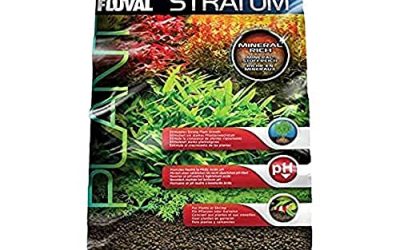
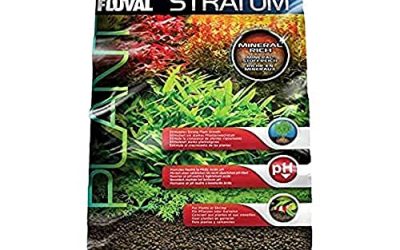
Fluval Stratum is a lightweight substrate made of volcanic material that helps plants and suits many freshwater tanks. Its pH-lowering effect is modest and its texture is gentle on bottom-dwelling fish. It breaks down gradually, so expect to see some fines at the bottom of the bag. Cleaning needs a light touch. A sensible mid-priced option for planted community tanks and shrimp setups.
Fluval Stratum aquarium substrate
3. Seachem Flourite
Flourite is a porous clay gravel that does not break down and does not buffer water, making it stable over years. It has no added nutrients, though it holds iron, so root tabs or fertilizer are recommended for heavy feeders. The main complaint is dust: it must be rinsed thoroughly, and the first rinse is messy. A good foundation for plants if you want a long-lasting base and are happy to fertilize.
Seachem Flourite planted substrate
4. CaribSea Eco-Complete
Eco-Complete comes pre-fertilized and is beginner-friendly, giving root feeders a head start without needing separate tabs at first. Its dark color shows off fish and green plants. It is heavier than some soils and may release some color or dust initially. Like all pre-fertilized substrates, it will not feed plants forever, so plan on supplementing in time.
CaribSea Eco-Complete planted substrate
5. CaribSea Tahitian Moon Sand
This smooth, dark sand is popular for aquascapes where you want a natural riverbed look. It is inert, so it works well for fish that sift sand, such as corydoras, and for carpeting plants that need a fine, stable base. You will need root tabs or fertilizer for root feeders, and you should keep the depth shallow to avoid anaerobic pockets. A good pick if looks and fish comfort are your priorities.
6. Seachem Flourish Tabs
Root tabs are small fertilizer tablets you push into inert substrate near root feeders such as swords and crypts. Flourish Tabs are among the most widely used. They are not a substrate, but they turn plain sand or gravel into a plant-friendly base. Place them near the plant, replace them every few months, and avoid putting them next to shy invertebrates when they first dissolve.
Seachem Flourish Tabs
How to Choose
- Plants: demanding or carpeting plants favor soil; hardy species work on inert media with tabs.
- Livestock: shrimp and soft-water fish appreciate soils; bottom feeders prefer smooth sand.
- Water chemistry: soils buffer toward soft, acidic water; if your water is already soft, consider inert options.
- Budget and tank size: large tanks multiply cost, so consider a soil cap or inert base with tabs.
- Longevity: inert substrates last, while soils may need replacement after a couple of years.
Depth and Layering
For soil, aim for about two to three inches, thicker at the back to create a slope. For sand over soil, use a thin cap so plants can still root into the base. Inert gravel should not be deeper than a couple of inches, or waste can build up in dead spots. Rinse thoroughly before use, except for soils designed not to be rinsed; read the package. Fill the tank slowly, pouring onto a plate, to protect the layout.
Common Mistakes
Using a deep layer of fine sand without disturbing it can create trapped gas pockets. Mixing soil into the cap and then vacuuming aggressively spreads nutrients into the water column. Overdosing root tabs next to delicate plants causes algae, and overlooking pH effects of soil leads to sensitive fish suffering swings. Finally, do not forget to plan for the first month: ammonia can appear in new soil tanks, so test often.
Matching Substrate to Livestock
Fish and invertebrates have opinions about what they walk and dig in. Corydoras and loaches sift the substrate with delicate barbels, so smooth sand or rounded fine gravel protects them. Cichlids that dig, such as many South American species, will rearrange anything, so heavy, stable gravel avoids constant avalanches. Shrimp are less picky about grain size but benefit from soils that keep water soft and promote biofilm. If you keep rooted plants with burrowing fish, anchor the plants with hardscape and expect to replant occasionally.
Color matters visually too. Dark substrates make green plants and many fish colors pop and reduce stress for some species, while pale sand reflects light and can make a tank feel brighter but shows detritus more. There is no wrong answer, only a tradeoff between looks and maintenance. When in doubt, buy a small bag, set it in a clear container with water and see how it behaves before committing to a whole tank.
Frequently Asked Questions
Do planted tanks need soil?
No. Many plants thrive in sand or gravel with root tabs. Soil helps demanding or carpeting species.
Will soil lower my pH?
Many aquarium soils do, especially in soft water. Test and use caution with fish that prefer hard water.
Can I mix sand and soil?
You can layer them, with soil at the bottom and a thin sand cap on top, but avoid thorough mixing.
How long does aquarium soil last?
Often a year or two of strong nutrition, depending on plants and fertilization, though the base stays useful as a growth medium.
Conclusion
Decide whether you want an active soil or an inert base with fertilizer, then match it to your plants, fish and water. Rinse carefully, plan the depth, and expect a short settling period. The right substrate sets up everything that follows in a planted tank.
As an Amazon Associate we earn from qualifying purchases.
More from Amazon
Programs that pair well with the guide above. Offers and eligibility are set by Amazon and may change.
Set up recurring deliveries of everyday items on eligible products. Terms and savings are set by Amazon.
Explore Subscribe & SaveFree shipping on eligible items, Prime Video and more. Eligible new members can start with a free trial.
Start a Prime free trialAudiobooks and podcasts to listen to on the go. Eligible new members can start with a free trial.
Try Audible freeRead from a large library of eBooks and audiobooks on any device. Check Amazon for current plans.
Explore Kindle UnlimitedAs an Amazon Associate we earn from qualifying purchases.

Write Your Review
No reviews yet. Be the first to share your experience!