

Key takeaways
- For the lowest-effort option: use a vegetable peeler to make ribbons and leave them raw or warm them for 60–90 seconds.
- For the closest spaghetti substitute: use a spiralizer with medium zucchini and trim the strands to about 25–30 cm so they are easier to eat.
- For the least watery result: sauté cut zucchini in a single layer, then combine it with a concentrated sauce at the end.
- For meal preparation: store cut zucchini separately from sauce and use it within 2 days for the best firmness.
The best zucchini pasta recipes depend on the shape: spiralized zucchini works best with light sauces, ribboned zucchini holds creamy or chunky sauces, and sautéed zucchini noodles handle stronger flavors without turning watery. For the most reliable texture, salt zucchini only briefly, cook it for 2–4 minutes, and finish the sauce separately before combining.
These seven low-carb ideas use the three main preparation methods and explain when each one is the better choice. Zucchini contains a great deal of water, so moisture control matters as much as the sauce: raw noodles stay crisp, quick-sautéed noodles stay tender, and overcooked noodles become soft and diluted.
Our top picks


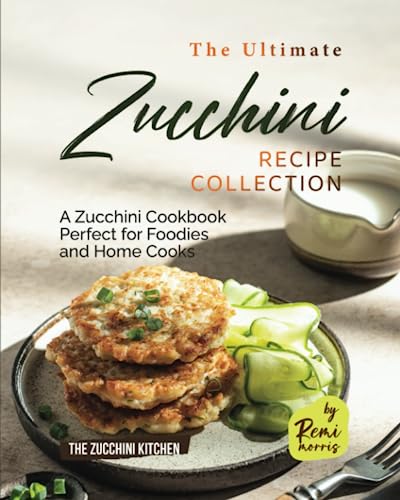
As an Amazon Associate we earn from qualifying purchases at no extra cost to you. Ratings are shown as listed on Amazon.
Quick comparison: the three zucchini pasta methods
| Method | Best texture | Cooking time | Best sauce pairings | Main moisture-control step |
|---|---|---|---|---|
| Spiralized | Long, springy strands | Raw or 2 minutes | Pesto, lemon oil, tomato, garlic | Pat dry and avoid crowding the pan |
| Ribboned | Wide, tender strips | Raw or 1–2 minutes | Alfredo-style, tahini, mushroom, chunky tomato | Use a wide pan and drain before saucing |
| Sautéed half-moons or matchsticks | Soft edges with browned spots | 4–6 minutes | Arrabbiata, sausage, garlic butter, curry | Cook in batches over medium-high heat |
How to choose the right zucchini pasta shape
Choose spiralized zucchini when you want the visual effect of spaghetti and a fast meal with a bright, thin sauce. Use ribboned zucchini when you want more surface area for a thick sauce or when you do not own a spiralizer. Choose sautéed half-moons or matchsticks when browning is more important than noodle shape and you want the zucchini to stand up to meat, mushrooms, or a spicy sauce.
- For the lowest-effort option: use a vegetable peeler to make ribbons and leave them raw or warm them for 60–90 seconds.
- For the closest spaghetti substitute: use a spiralizer with medium zucchini and trim the strands to about 25–30 cm so they are easier to eat.
- For the least watery result: sauté cut zucchini in a single layer, then combine it with a concentrated sauce at the end.
- For meal preparation: store cut zucchini separately from sauce and use it within 2 days for the best firmness.
One medium zucchini, approximately 180–220 g, generally produces 250–350 g of raw noodles depending on its size and the amount of the seeded center removed. A useful serving starting point is 250–300 g raw zucchini per person, plus protein or another substantial topping if the dish is the main meal.
1. Lemon-garlic spiralized zucchini pasta
Best method: spiralized and lightly sautéed. This is the best all-purpose starting recipe because lemon, garlic, olive oil, and Parmesan add flavor without creating a heavy, watery sauce.
- 2 medium zucchini, spiralized
- 1 tablespoon olive oil
- 1 small garlic clove, finely chopped
- 1 tablespoon lemon juice and 1 teaspoon lemon zest
- 2 tablespoons finely grated Parmesan
- Black pepper and a small pinch of salt
Pat the spiralized zucchini dry with a clean towel. Heat the oil in a wide skillet over medium heat, cook the garlic for 30 seconds, then add the zucchini. Toss for 2 minutes, just until the strands bend but still have some resistance. Remove the pan from the heat before adding lemon juice and Parmesan; the lower temperature helps the cheese cling rather than becoming grainy.
Do not salt the zucchini at the beginning. Salt draws water from the strands while they sit in the pan. Season at the end, taste, and add more lemon zest or pepper if needed. Shrimp, shredded chicken, white beans, or toasted almonds make this a more filling meal.
2. Raw zucchini noodles with basil pesto
Best method: raw spiralized zucchini. This approach preserves the firmest texture and is useful when you want a meal that can be assembled without heating the noodles.
- 2 medium zucchini, spiralized
- 3 tablespoons basil pesto
- 1 tablespoon halved cherry tomatoes
- 1 tablespoon toasted pine nuts or chopped walnuts
- 1 teaspoon lemon juice
After spiralizing, place the zucchini in a colander for 10 minutes, then pat it dry. Toss the pesto with the lemon juice separately, then fold it through the zucchini immediately before serving. The lemon loosens thick pesto, while the short resting period helps prevent the noodles from sitting in liquid.
This recipe should not be treated like wheat pasta. Boiling zucchini noodles makes them release water quickly and strips away the firm bite. If you prefer a warm dish, warm the pesto in a separate bowl and toss it with the raw noodles rather than cooking the pesto and zucchini together.
3. Ribboned zucchini Alfredo-style pasta
Best method: wide ribbons. A vegetable peeler creates broad strips that catch a creamy sauce better than fine spiral strands. The sauce should be thick before the zucchini is added because the vegetables will thin it slightly.
- 2 medium zucchini, peeled into ribbons
- 1 teaspoon butter or olive oil
- 1 small garlic clove, minced
- 60 ml heavy cream or unsweetened cream alternative
- 30 g grated Parmesan
- Pinch of nutmeg and black pepper
Make ribbons until you reach the seedy center, then stop; the center is usually wetter and less firm. Blot the ribbons and set them aside. Simmer the cream, garlic, nutmeg, and pepper for 2–3 minutes until it lightly coats a spoon. Add the zucchini ribbons for 60–90 seconds, turn off the heat, and stir in the Parmesan.
The short cooking time is important. Ribbons are wider than spiralized noodles, so they soften quickly on the surface while remaining flexible inside. If the sauce becomes thin, remove the zucchini, reduce the sauce for another minute, and then return the ribbons to the pan.
4. Spicy tomato zucchini noodles with olives
Best method: spiralized or ribboned zucchini with a separately reduced tomato sauce. Tomato sauce contains its own water, so reducing it before adding the vegetables prevents a soupy result.
- 2 medium zucchini, cut into noodles or ribbons
- 240 ml crushed tomatoes
- 1 tablespoon olive oil
- 1 garlic clove, minced
- ¼ teaspoon red pepper flakes
- 2 tablespoons sliced olives and 1 tablespoon chopped parsley
Cook the garlic and red pepper flakes in oil for 30 seconds. Add the tomatoes and simmer uncovered for 8–10 minutes, stirring occasionally, until the sauce is visibly thicker. Add olives during the last 2 minutes. Separately, sauté the zucchini for 2 minutes, drain any liquid from the pan, and toss it with the reduced sauce.
For a richer version, add tuna, cooked ground meat, or white beans to the sauce. Keep the zucchini out of the tomato pan until the final minute or two; simmering both together for 10 minutes is one of the most common causes of watery zucchini pasta.
5. Sesame-tahini zucchini ribbons
Best method: raw or briefly warmed ribbons. Tahini provides a dense, nutty sauce that benefits from the broad surface of ribboned zucchini.
- 2 medium zucchini, ribboned
- 2 tablespoons tahini
- 1 tablespoon lemon juice
- 1 teaspoon soy sauce or tamari
- 1–2 tablespoons warm water
- ½ teaspoon toasted sesame oil
- Scallions, sesame seeds, and chili flakes for finishing
Whisk the tahini, lemon juice, soy sauce, and sesame oil. Add warm water a teaspoon at a time until the mixture becomes pourable but not runny. Toss the dry ribbons with the dressing and leave them for no more than 5 minutes before serving.
If you want the dish warm, place the dressed ribbons in a skillet over low heat for 45–60 seconds. Do not let the sauce boil: tahini can tighten and become pasty when overheated. Cucumbers, shredded rotisserie chicken, tofu, or edamame work well as additions.
6. Sautéed zucchini pasta with sausage and peppers
Best method: sautéed half-moons or thick matchsticks. This is the most dependable choice for a hearty dinner because browning gives zucchini enough flavor to balance sausage and peppers.
- 3 medium zucchini, cut into 1 cm half-moons
- 250 g raw sausage meat or plant-based sausage
- 1 sliced bell pepper
- ½ sliced onion
- 1 tablespoon olive oil, if needed
- ½ teaspoon dried oregano and a pinch of chili flakes
Brown the sausage in a wide skillet for 5–7 minutes, breaking it into small pieces. Transfer it to a plate, then cook the onion and pepper for 3 minutes. Add the zucchini in a single layer and cook for 4–6 minutes, turning occasionally, until the edges develop brown spots but the centers still hold their shape.
Return the sausage to the pan and season with oregano and chili flakes. If the pan is crowded, cook the zucchini in two batches. Crowding traps steam, while a little space allows water to evaporate and creates the browned flavor this method is designed to produce.
7. Garlic-butter mushroom zucchini pasta
Best method: sautéed zucchini matchsticks with mushrooms cooked separately. Mushrooms and zucchini both release water, so separating their cooking stages is the key technique.
- 2 medium zucchini, cut into thick matchsticks
- 225 g sliced mushrooms
- 1 tablespoon butter and 1 teaspoon olive oil
- 2 garlic cloves, sliced
- 1 teaspoon fresh thyme or ½ teaspoon dried thyme
- 1 tablespoon grated Parmesan and 1 teaspoon lemon juice
Heat the oil and cook the mushrooms over medium-high heat for 5–7 minutes, until their released liquid has evaporated and the edges begin to brown. Add the butter, garlic, and thyme for 30 seconds. Transfer the mushrooms to a plate, then cook the zucchini matchsticks for 3–4 minutes.
Return the mushrooms to the pan, add lemon juice and Parmesan, and toss for 30 seconds. Cooking the mushrooms first prevents them from steaming in zucchini liquid. For extra protein, add a fried egg, chicken, shrimp, or a spoonful of ricotta at serving time.
Moisture control: the timing that prevents soggy zucchini pasta
Zucchini is approximately 94% water by weight, according to standard food-composition references, so its cooking behavior is different from dried pasta. The goal is not to remove all moisture; it is to release enough water before the sauce is added while keeping the vegetable firm.
| Situation | Preparation | Recommended time | Expected result |
|---|---|---|---|
| Raw salad-style noodles | Pat dry and dress immediately | 0 minutes cooking | Firm and crisp |
| Lightly warmed noodles | Wide skillet, medium heat | 1–2 minutes | Flexible with a slight bite |
| Firm sautéed noodles | Single layer, medium-high heat | 3–4 minutes | Light browning and tender centers |
| Soft zucchini side dish | Covered or simmered with sauce | 5–7 minutes | Soft, but more likely to be watery |
For meal preparation, cut the zucchini, pat it dry, and store it in a container lined with a clean paper towel. Keep sauce, cheese, nuts, and herbs separate. Replace the towel if it becomes saturated. Use the prepared zucchini within 1–2 days; longer storage usually produces limp strands even before cooking.
Common mistakes with zucchini pasta recipes
- Boiling the noodles: zucchini noodles are not dried pasta and do not need a large pot of water. Boiling causes rapid water release.
- Using the seeded center: the central core is softer and wetter. Stop ribboning or spiralizing when you reach it, and reserve it for soup or sauce.
- Salting too early: salt immediately before cooking or at the end. Salting 20–30 minutes ahead draws out extra liquid.
- Overcrowding the pan: use a pan at least 28 cm wide for two medium zucchini, or cook in batches.
- Adding sauce too soon: reduce tomato, cream, or tahini sauces first. Zucchini will loosen them further.
- Expecting leftovers to stay identical: reheated zucchini will be softer than freshly cooked zucchini. Reheat gently for 60–90 seconds rather than microwaving until steaming.
Frequently Asked Questions
Should zucchini noodles be salted before cooking?
Salt them immediately before cooking or after they are in the finished dish. Salting them well in advance pulls water from the zucchini and can leave the noodles limp. If you need to salt early, drain them for 10 minutes and pat them very dry before cooking.
How long should zucchini noodles be cooked?
Raw noodles need no cooking, lightly warmed noodles usually need 1–2 minutes, and firmer sautéed noodles need about 3–4 minutes. Thick half-moons may need 4–6 minutes. Stop when the zucchini is flexible but still has resistance, because carryover heat continues to soften it.
Can zucchini pasta recipes be made ahead?
Yes, but store the prepared zucchini separately from the sauce and toppings. Refrigerate it in a towel-lined container and use it within 1–2 days for the best texture. Combine and reheat only when serving.
What is the best sauce for zucchini noodles?
Light sauces such as pesto, lemon-garlic oil, and reduced tomato pair especially well with spiralized zucchini. Thick sauces such as Alfredo-style cream, tahini, and mushroom sauce work better with ribbons or briefly sautéed pieces. In every case, concentrate the sauce before adding the zucchini.
How do you keep zucchini noodles from getting watery?
Pat the noodles dry, avoid boiling them, cook them in a wide pan, and use moderate cooking times. Cook wet ingredients such as mushrooms and tomato sauce separately when possible. Add salt, cheese, and thin sauces near the end rather than allowing them to sit with raw zucchini.
Are zucchini noodles a substitute for all pasta dishes?
They work best in dishes where fresh vegetables and a short cooking time are appropriate. They will not provide the same starchiness or sauce-thickening effect as wheat pasta, so dense sauces may need Parmesan, cream, tahini, or another thickening ingredient. Pairing zucchini with beans, eggs, meat, seafood, or cheese can make the meal more substantial.



Write Your Review
No reviews yet. Be the first to share your experience!